The Americas cover a huge span of climates, cultures, and languages—get oriented before you go:
• Check visa requirements—they vary widely between countries • Review entry rules, vaccination guidance, and regional travel advisories • Some areas rely heavily on cash—don’t assume card will work everywhere • Plugs and voltages differ: North America uses 110V, South America & Central America mostly 220V • Tipping norms vary—research ahead for your specific country • Learn a few key local phrases, especially in Spanish- and Portuguese-speaking regions
Best Time to Visit by Region 🗓️
🌎 Seasons vary across the hemisphere—timing matters:
🧭North America: Spring and fall (March–May, Sept–Nov) for best weather
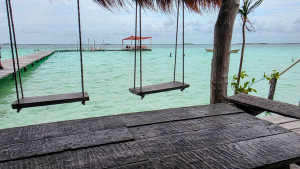
🧭Caribbean: December–April is dry season and ideal for beach travel
🧭Central America: November–April offers drier, more travel-friendly months
🧭South America(general): May–October for Andean areas; Dec–March for Patagonia
Covering everything from Arctic tundra to tropical jungle, the Americas are more than a geographic label—they’re a vast collection of cultures, languages, and lived experiences. It’s a region where every border crossed can mean a shift in rhythm, flavor, or worldview.
For travelers, the Americas offer a mix of high-speed convenience and rugged unpredictability. You might find yourself driving a scenic coastal highway one day and navigating a muddy back road the next. The fun lies in that contrast—and in the stories you collect along the way.
We’ve only just started scratching the surface, but each place we visit brings a new layer of understanding. There’s no single “American experience,” and that’s exactly what makes it worth exploring.
Visa requirements vary greatly depending on your nationality and destination. U.S. and Canadian citizens often need visas for countries in South America, while some Caribbean nations offer visa-free or visa-on-arrival entry. Always check the official embassy site before traveling.
What languages are spoken across the Americas?
English is the main language in the U.S. and parts of Canada, while Spanish dominates most of Latin America. Portuguese is spoken in Brazil, and French is common in parts of Canada and the Caribbean. Learning key phrases in the local language is a helpful travel tool.
When is the best time to visit the Americas?
Timing depends on the region. Visit North America in spring or fall for comfortable weather. The Caribbean and Central America are ideal during the dry season (December to April). For South America, Andean regions are best May to October, while Patagonia shines December to March.
Is it safe to travel around the Americas?
Yes, but conditions vary. Major cities have typical urban risks like petty theft, while remote areas may lack infrastructure. Stay aware of your surroundings, use secure transport options, and follow local guidance to stay safe throughout your trip.
How do you get around in the Americas?
Transport options range from high-speed trains and highways in North America to budget airlines, buses, and ferries in Latin America and the Caribbean. In remote or rural areas, private drivers or local taxis are common. Apps like Uber work in many larger cities.
What’s the cost of travel across the Americas?
It depends on the country. The U.S. and Canada can be expensive, while Central and South America often offer better value for budget travelers. Accommodations, dining, and tours can range from affordable to luxury, so it’s easy to tailor your budget.
Are there health or vaccination requirements for the Americas?
Some countries in South and Central America may require yellow fever vaccination if you’re arriving from a risk zone. Routine vaccines (like Hepatitis A, typhoid, or tetanus) are often recommended. Travel clinics can give you destination-specific health advice before your trip.