✈️ Major Airports • Frankfurt (FRA) and Munich (MUC) are major hubs. Also: Berlin Brandenburg (BER) and Hamburg (HAM) for regional connections.
Travel Tips for Germany
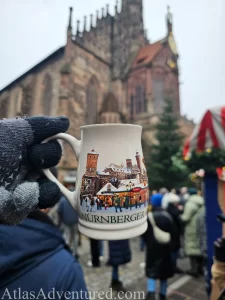
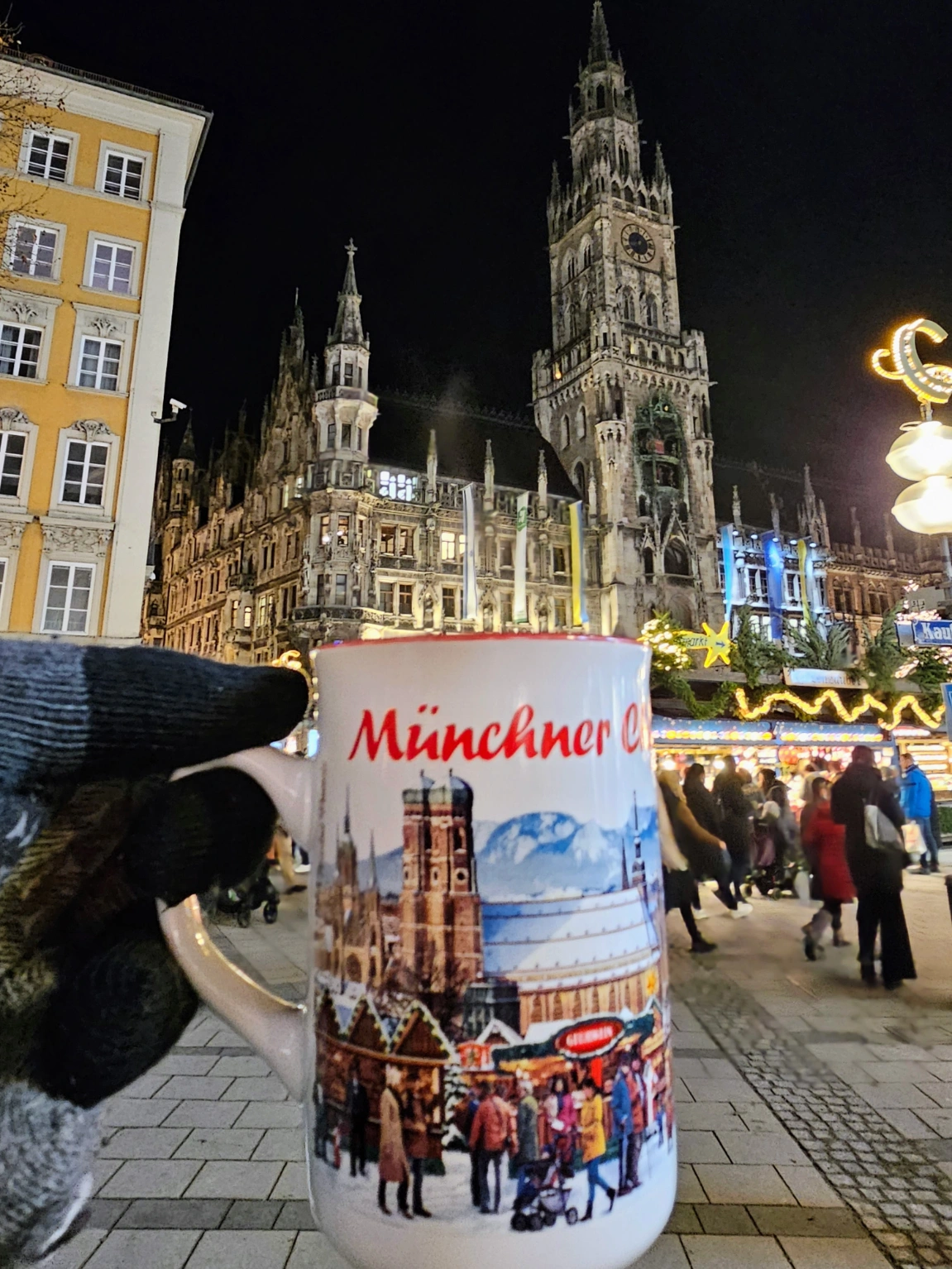
🍽️ Food to Try • Don’t miss bratwurst, schnitzel, or a warm pretzel from a local stand. In December, the Christmas market food is a full-on experience—especially the mulled wine and sausages.
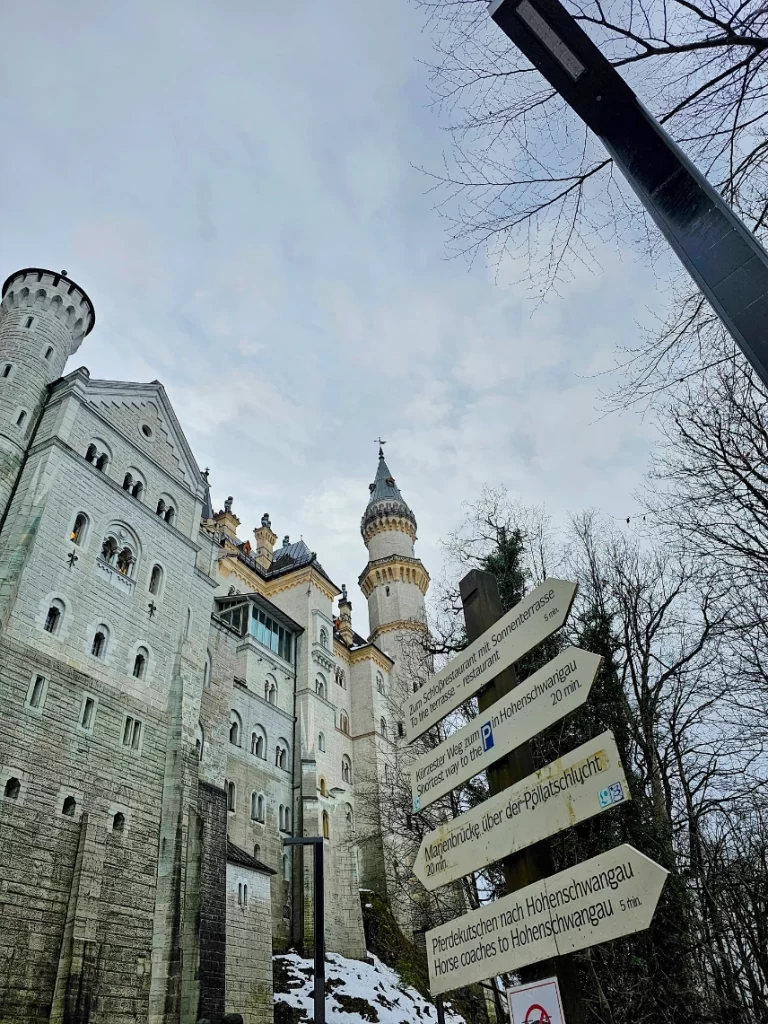
📍 Must-See Spot • Neuschwanstein Castle feels like walking into a fairy tale. Go early or late to avoid the crowds. Be prepared for a long walk up to the castle or you can pay for horse and carriage transportation.
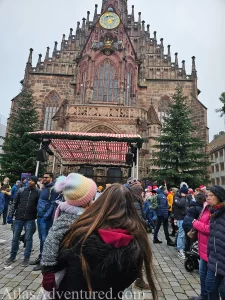
🏞️ Our Favorite Location • We loved Nuremberg—walkable, full of charm, and packed with history (plus the best Christmas market we’ve been to).
🌤️ Best Time to Visit • May to September for festivals and sunny weather; late November–December for world-famous Christmas markets.
🚌 Transportation Tip • Trains are punctual and easy. For cities, U-Bahn and S-Bahn systems are fast and reliable. Regional train passes offer great value.
🚰 Water Safety Info • Tap water is safe to drink and regulated to high standards—no need to buy bottled.
📶 Wi-Fi & Connectivity • Wi-Fi is solid in most accommodations and restaurants. Consider a prepaid SIM from Telekom or Vodafone for seamless navigation.
🚻 Bathroom Availability • Public toilets often cost €0.50–€1. Train stations and malls usually have paid but clean options.
🤝 Cultural Custom Tip • Be punctual. Even being a few minutes late for dinner or a tour can feel disrespectful here.
🤯 Fun Fact • Germany recycles nearly 70% of its waste—so you’ll see multiple bins everywhere, even for plastic bottle returns.
Germany gave us two very different (and equally memorable) experiences—one sun-soaked summer road trip and one wintry Christmas market tour. Driving here was half the fun. The Autobahn lives up to its reputation: efficient, exhilarating, and surprisingly respectful. Just stay sharp, always move over, and don’t linger in the fast lane. We splurged on a luxury rental once… no regrets.
Big cities felt incredibly smooth for travel, but smaller villages? That’s where connectivity dropped and our translation app left us miming our way through conversations. Pack a phrasebook or download offline translations if you’re heading rural.
It felt safe throughout, and the locals—though not overly chatty—were helpful and direct. Germany is structured in a way that makes travel feel easy, but it’s worth reading up on local etiquette before you go (crossing streets, waiting your turn, returning bottles, etc.).
Public restrooms were clean but rarely free, tipping was simple, and the balance of cash vs card felt fair. Germany’s mix of culture, order, and jaw-dropping scenery made our trips feel seamless… and surprisingly fun.