

Africa is vast and diverse, and planning ahead makes all the difference. Be sure to:
• Check visa requirements for your nationality
• Look up country-specific travel advisories
• Be aware of routine and recommended vaccines
• Carry some USD or EUR—ATMs aren’t always reliable
• Power plugs vary, so bring a universal adapter
• Tipping is customary in many countries—10% is often appreciated in restaurants and for tour guides
• Roads and transport can be unpredictable—plan extra travel time between regions
🌍 Weather varies across the continent—plan smart:
🧭 North Africa: Avoid peak summer (June–August) — too hot
🧭 West Africa Best from November to April (dry season)
🧭 East Africa June–October is ideal for safaris
🧭 Central Africa Drier months: Dec–Feb & Jun–Aug
🧭 Southern Africa Best from May to September
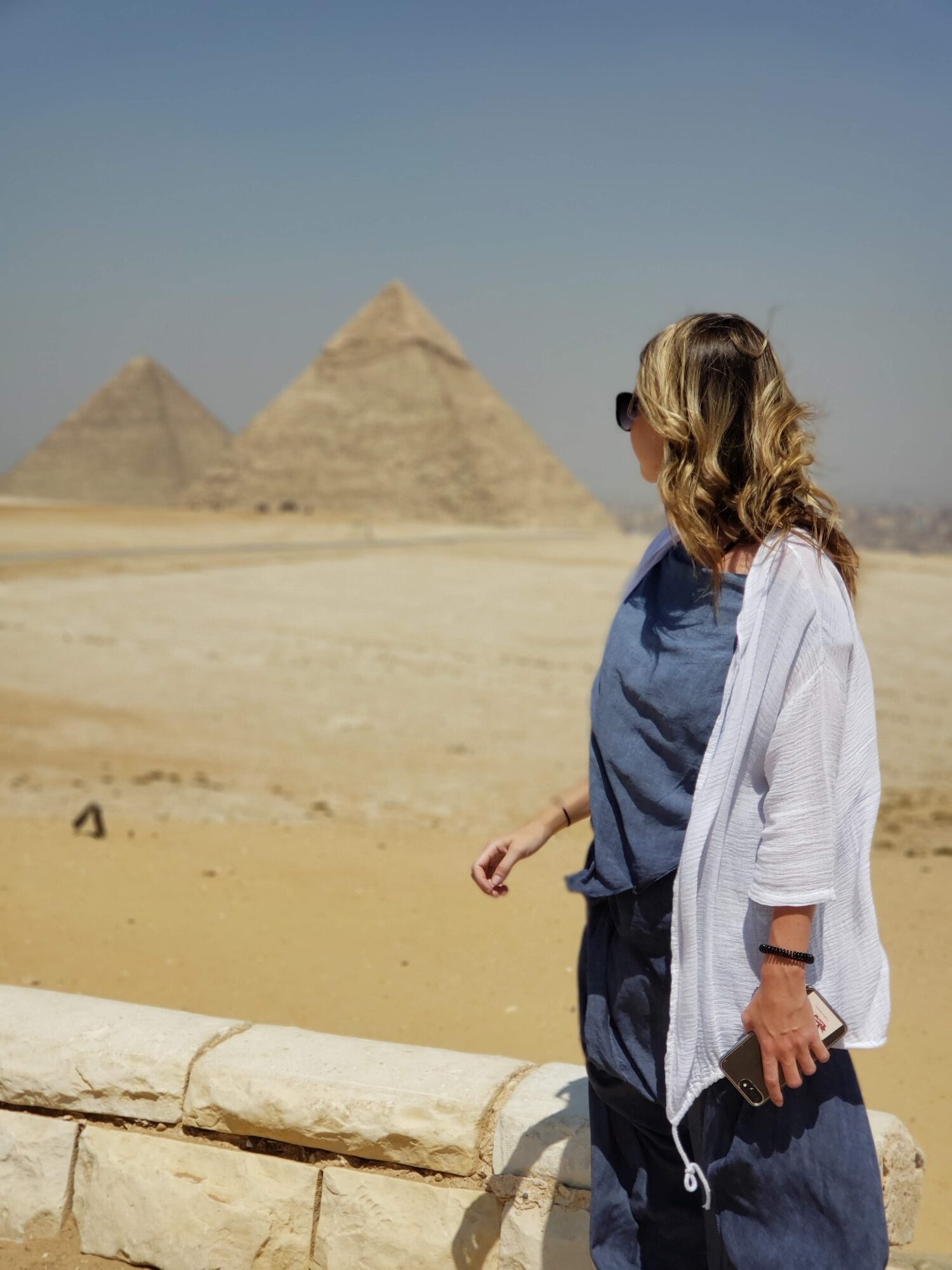
Africa is a continent of depth—culturally, historically, and geographically. From ancient trade routes to thriving modern cities, it’s a place where every region tells a different story. No single trip could ever capture it all, but that’s part of what makes exploring it so rewarding.
Travel here invites you to slow down, ask questions, and look closer. Landscapes shift quickly—from red deserts to lush valleys—and each country holds traditions, cuisines, and rhythms entirely its own. The variety isn’t just in the scenery, but in the ways people live, move, and welcome you in.
We’ve only scratched the surface, but we’re sharing everything we learn as we go—through guides, honest reviews, and real-world experiences. If you’re planning a trip or just curious about what lies ahead, we hope this page inspires you to dig deeper into the rich, complex beauty that is the African continent.
Check back soon as we continue adding more firsthand stories and travel tips from across Africa.
Requirements vary by country, but yellow fever, hepatitis A/B, typhoid, and routine immunizations (MMR, tetanus) are commonly recommended. Some countries require proof of yellow fever vaccination upon entry. Always check with a travel clinic 4–6 weeks before your trip.
Yes, many regions in Africa are family-friendly if you plan ahead. National parks, cultural tours, and beach areas in places like South Africa, Morocco, and Kenya are great with kids. Use trusted transport, stay in well-reviewed accommodations, and prioritize health precautions like filtered water and mosquito protection.
Most countries in Africa require a visa for foreign travelers, but the process and cost vary widely. Some offer e-visas or visa-on-arrival, while others require embassy visits in advance. Always check the specific entry rules for the country you’re visiting.
Transportation depends on the region. In East and Southern Africa, overland safaris and domestic flights are common. In West and Central Africa, minivans, shared taxis, and local buses are typical. Private drivers or group tours can offer more ease in areas with limited infrastructure.
It ranges. Safari lodges and private tours can be pricey, but there are also budget guesthouses, hostels, and local food options that make travel more affordable. Countries like Egypt, Morocco, and Uganda tend to offer great value compared to European prices.
For safaris, the dry season (June to October) in East and Southern Africa offers the best wildlife visibility. Animals gather at water sources and vegetation is less dense. In Madagascar, September to December is ideal for seeing lemurs and rare species.
Yes, in many areas. English is an official language in countries like Kenya, South Africa, Nigeria, and Uganda. In others, like Morocco or Senegal, French is more widely spoken. You’ll often find English speakers in tourist zones, but learning a few local phrases goes a long way.