💱 Currency
• Italy uses the Euro (EUR). Cards are widely accepted, but carry cash for markets, small towns, and taxis.
🗣️ Language
• The official language is Italian. English is common in tourist areas but limited in rural towns.
🕒 Time Zone & DST
• Central European Time (UTC+1). Daylight Saving Time runs from late March to late October.
🔌 Plugs
• Type C, F, and L plugs, 230V / 50Hz. Bring a universal adapter for compatibility.
💰 Tipping Culture
• Tipping is appreciated but not expected. Round up at cafés or leave 5–10% at restaurants if service was good.
🏧 ATM Access
• ATMs are widespread. Use bank-affiliated machines to avoid high fees. Choose “without conversion” if asked.
🚨 Emergency Information
• Dial 112 for police, ambulance, or fire. Operators typically speak English in larger cities.
🔗 Embassy Info
• List of Embassies
🛂 Visa Requirements
• Do I need a Visa?
💉 Vaccine Requirements
• Vaccine Information
✈️ Major Airports
• Main hubs include Rome FCO, Milan MXP, Venice VCE, and Florence FLR.
🍽️ Food to Try
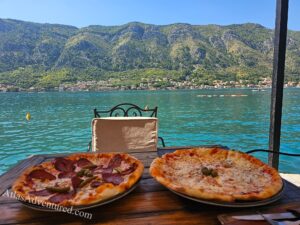
• Gelato, pizza, pasta—the usual suspects, and worth every bite. Don’t miss fresh focaccia or aperitivo hour in the north.
📍 Must-See Spot
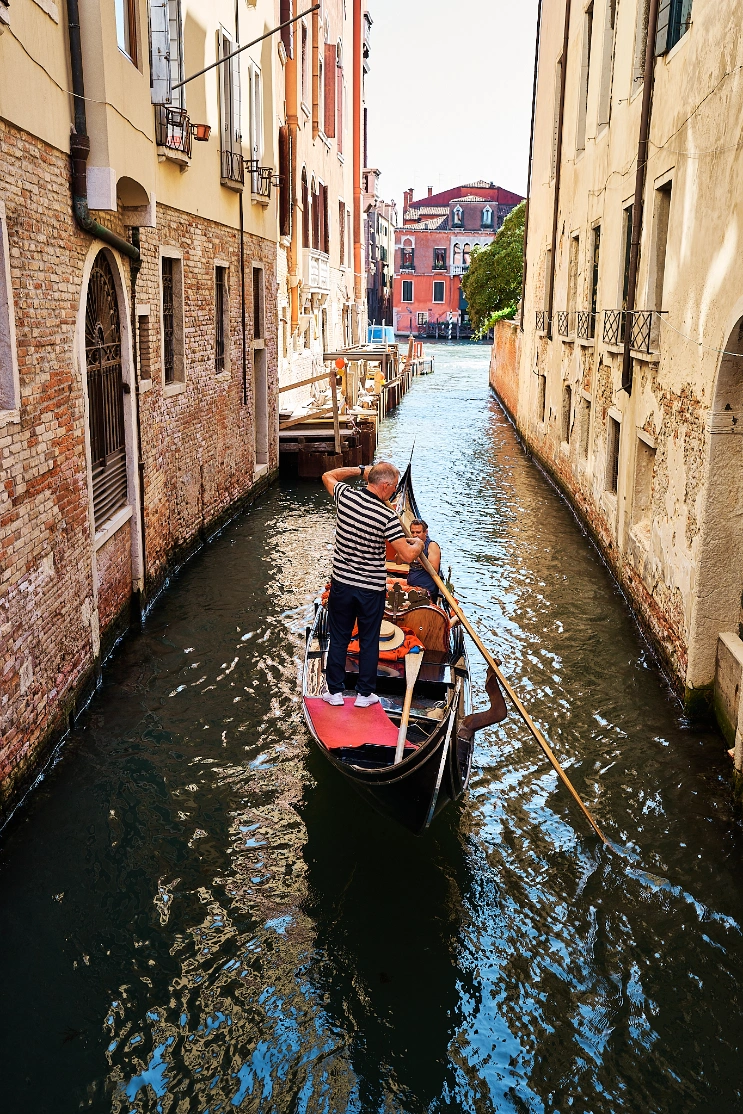
• Rome is best in the shoulder season, but getting lost in Venice’s alleys is where the real magic happens.
🏞️ Our Favorite Location
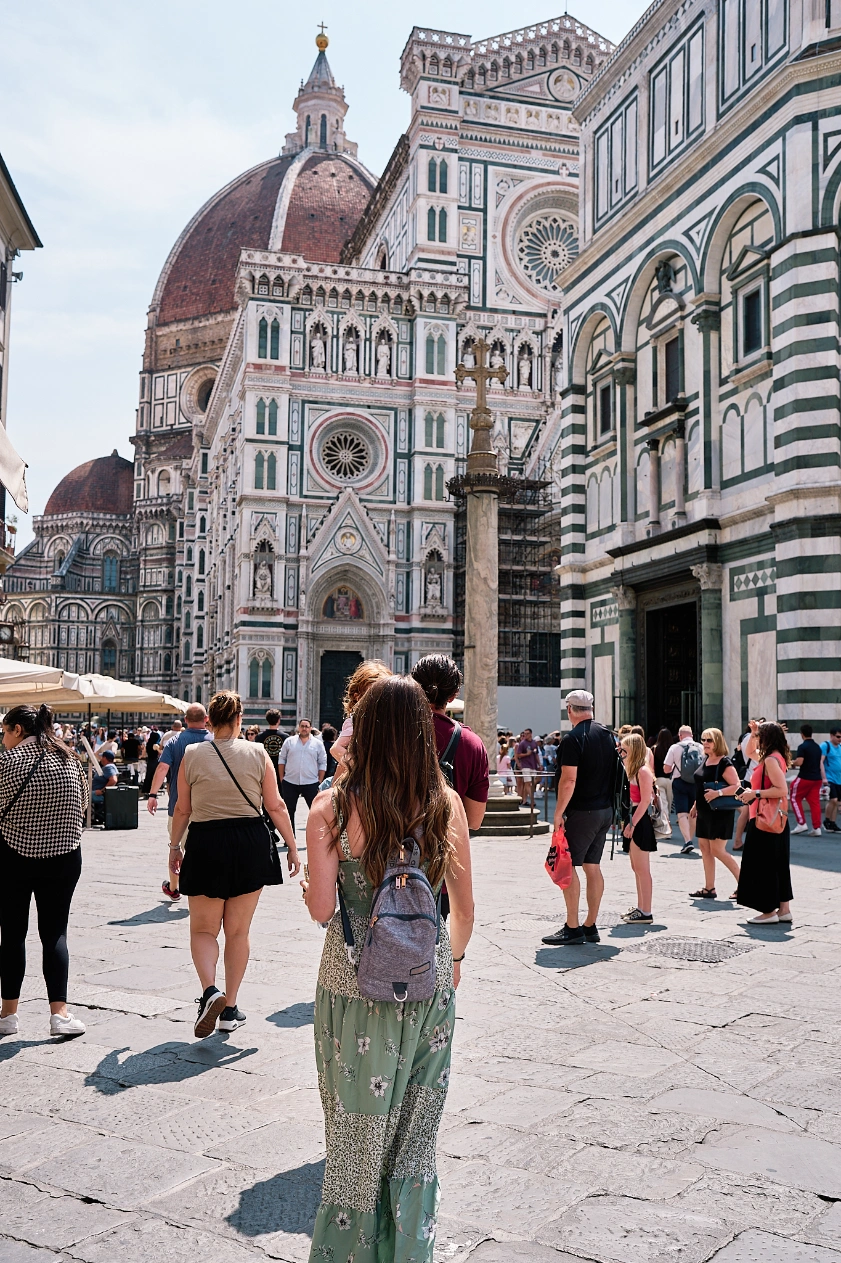
• Florence (Firenze) stole our hearts. Art, history, and charm packed into a walkable, delicious little city.
🌤️ Best Time to Visit
• April–June and September–October offer mild weather and thinner crowds. Summer gets hot and packed.
🚌 Transportation Tip
• Cities like Rome and Milan have metros, but walking is gold in historic centers. Trains are fast and scenic between regions.
🚰 Water Safety Info
• Tap water is safe and public fountains in Rome are totally drinkable.
📶 Wi-Fi & Connectivity
• Wi-Fi is common in accommodations. Grab a local SIM or eSIM if venturing outside major cities.
🚻 Bathroom Availability
• Public restrooms exist, but they’re often paid. Cafés usually require a purchase.
🤝 Cultural Custom Tip
• Greet with a friendly “buongiorno” before ordering or entering shops—it’s considered polite.
🤯 Fun Fact
• The Vatican has its own ATM in Latin—yes, the official language of the Holy See lives on.
Italy is one of those countries that lures you in with the promise of pasta and ruins—and then casually blows your mind. Safety-wise, it’s mostly smooth sailing. Just keep an eye on your bag in touristy areas, especially around Rome’s Termini station or while gawking at the Trevi Fountain like everyone else. Locals drive like they’re auditioning for a Vespa chase scene, but they know what they’re doing. You’ll get the hang of crossing the street eventually. Probably.
English will get you through most situations in cities, but small towns? Not so much. Having a translation app helps, but so does learning a few key phrases (and flashing a smile).
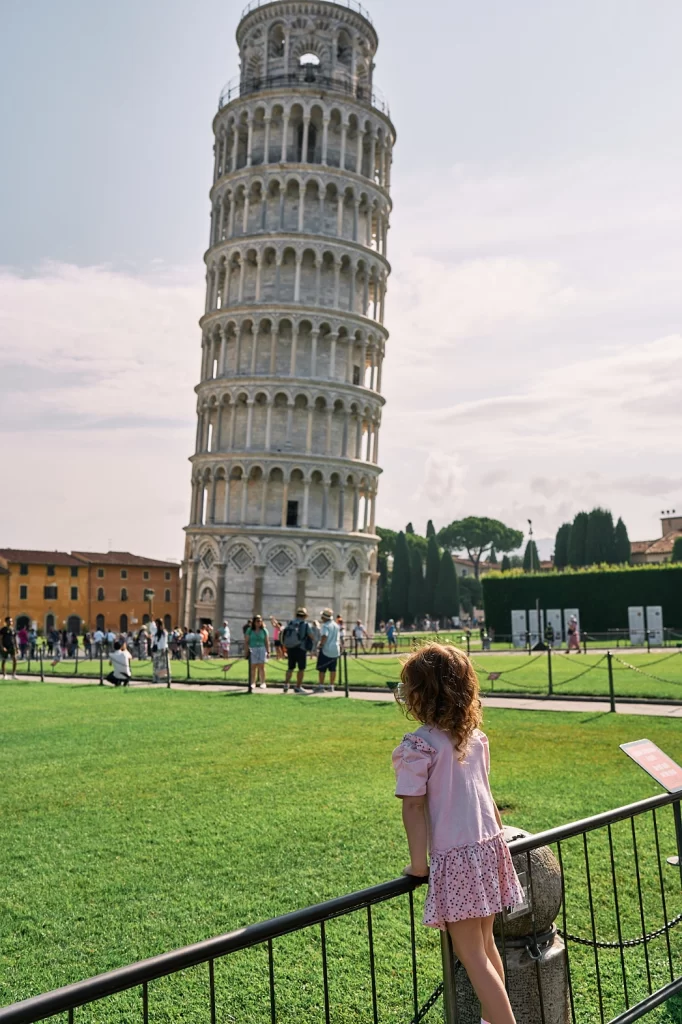
Taking the train from Rome to Florence to Pisa in a single weekend felt like a cheat code for seeing a ridiculous amount of history. Venice’s vaporetti—its floating bus system—double as transport and sightseeing cruise, and are a fun, quirky way to explore the canals. Lugging bags through summer crowds onto one? A bit chaotic. But once you’re gliding from stop to stop, it’s the most unforgettable way to soak in the charm of this floating city. Take it to the Lido and go for a swim to enjoy a break from the crowds and pigeons.
But nothing—and we mean nothing—beats a golden hour glass of wine with fresh focaccia in a quiet Tuscan village. Italy doesn’t try to impress. It just does.