Panama

Panama - Fast Facts

💱 Currency
  • The official currency is the Balboa (PAB), but US dollars are used for all paper money. Coins are either US or locally minted Balboa coins (equal in size/value). 

🗣️ Language
  • Spanish is the official language. English is moderately spoken in Panama City and tourist zones but less so in rural areas.

🕒 Time Zone & DST
  • Panama follows Eastern Standard Time (EST) year-round. No Daylight Saving Time.

🔌 Plugs
  • Plug types A and B (same as the U.S.). Voltage: 110V, frequency: 60Hz — no adapter needed for North American devices.

💰 Tipping Culture
  • Tipping is customary but not always expected. 10% is appreciated at restaurants if not included. Round up in taxis.

🏧 ATM Access
  • Widely available in cities. Many charge a $3–$5 fee for foreign cards. Visa and MasterCard work best.

🚨 Emergency Information
  • Police: 104, Ambulance/Fire: 103
  • Use 911 for general emergencies.

🔗 Embassy Info
  • Embassy List

🛂 Visa Requirements
  • Do I need a Visa?

💉 Vaccine Requirements
  • Vaccine Information

✈️ Major Airports
  • Tocumen International Airport (PTY) in Panama City is the primary hub. Also: David (DAV) and Bocas del Toro (BOC) for regional flights.

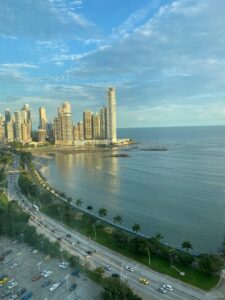
view of Panama City from hotel room

Travel Tips for Panama

🍽️ Food to Try
  • Don’t leave without trying ropa vieja, ceviche, and sancocho (a chicken soup that’s practically a national treasure). Street vendors selling fresh empanadas are also worth a stop.

📍 Must-See Spot
  • It might sound obvious, but the Panama Canal is genuinely fascinating. Watching colossal ships squeeze through narrow locks is oddly satisfying—like Tetris, but with billion-dollar cargo.

🏞️ Our Favorite Location
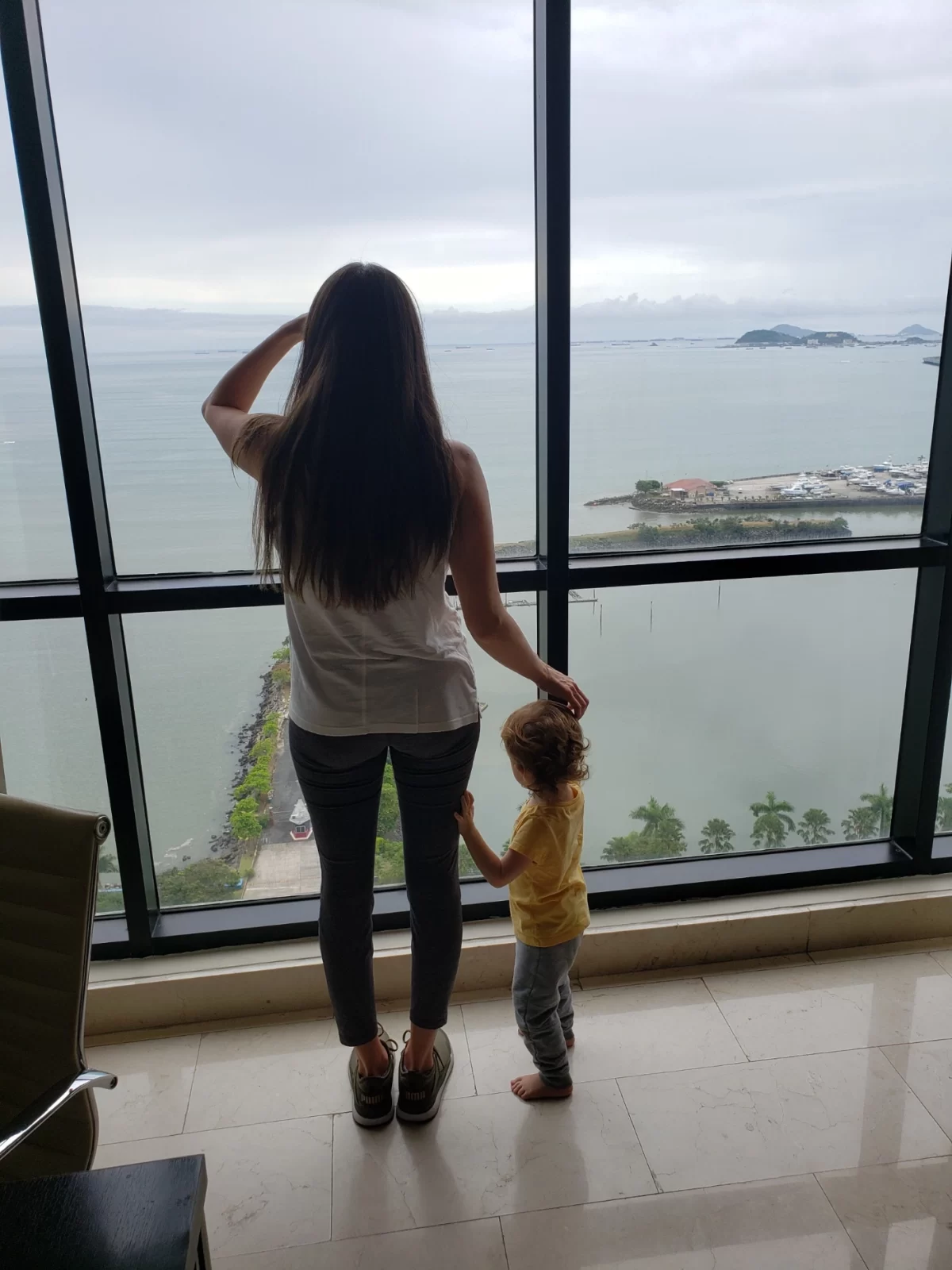
  • We spent our time in Panama City, and it’s a solid intro to the country. Between the gleaming skyline, colonial Casco Viejo, and canal views, it keeps things interesting without trying too hard.

🌤️ Best Time to Visit
  • December to April is dry season—less rain, more sunshine.

🚌 Transportation Tip
  • Uber and taxis are widely available and affordable. The metro system is clean and easy to navigate in Panama City.

🚰 Water Safety Info
  • Tap water is safe to drink in Panama City and most urban areas, but stick to bottled water in remote or rural zones.

📶 Wi-Fi & Connectivity
  • Wi-Fi is strong in hotels and cafes. eSIMs or local SIM cards (like +Movil or Tigo) offer good coverage and rates. Google Maps works well in cities.

🚻 Bathroom Availability
  • Public bathrooms are limited, especially outside malls or major tourist zones. Carry small change just in case—they’re sometimes paid.

🤝 Cultural Custom Tip
  • Greet people with a polite “Buenos días” or “Buenas” when entering shops or speaking with locals—it’s appreciated more than you’d think.

🤯 Fun Fact
  • Panama is one of the only places in the world where you can see the sun rise on the Pacific and set on the Atlantic—if you’re quick enough.

Panama Posts

💡Final Notes

Panama felt both relaxed and alive at the same time. A place to enjoy a really good meal and still make it to a scenic overlook before sunset. Safety-wise, we felt comfortable walking around Panama City, especially in tourist areas like Casco Viejo, but it’s smart to stay alert for petty theft and avoid flashing valuables. One common scam is overpriced taxi fares, so use Uber when you can.

Culturally, greetings are important, and being polite goes a long way. Don’t assume everyone speaks English—many do, especially in hospitality, but a few words in Spanish make a difference. You don’t need a translation app constantly, but it can help outside city centers.

Panama is family-friendly if you stick to cities or beach resorts, and solo travelers will find it approachable too. Carry a bit of cash for smaller shops and street vendors, though cards are accepted widely in the city. SIM cards work well, and we had solid Wi-Fi nearly everywhere.

There’s more to Panama than just the canal and the capital—and we’re already planning what to uncover next. The rainforest and those Caribbean corners are calling.