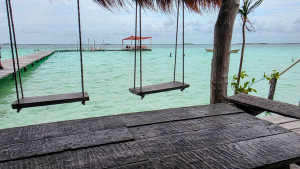
The Caribbean is laid-back—but smooth travel takes a bit of prep:
• Passport and visa rules depend on which island you’re visiting • Hurricane season runs June to November—plan around it if possible • U.S. dollars are accepted in many places, but local currency is sometimes cheaper • Tipping is expected at resorts, restaurants, and for tours—usually 10–15% • Plug types vary—some islands use U.S. standard, others use UK Type G • Ferries, taxis, and small flights are common—double-check schedules in advance
Best Time to Visit by Region 🗓️
☀️ Seasonal sweet spots:
🧭December–April: Best weather, ideal for beach travel
🧭May–June: Fewer crowds, but some rain
🧭July–November: Hurricane season—less predictable, but often cheaper
**Side note: While hurricane season officially runs from June through November, most storms are concentrated between August and October. Rainfall is common in the off-season, but it’s often short-lived—think 10 to 20 minutes of downpour followed by hours of sunshine. If you’re visiting during local holidays like Carnival (February/March) expect larger crowds, higher prices, and lots of energy. On the flip side, many businesses slow down or close briefly after the New Year or in late summer. Planning around these patterns can make a big difference in your experience.
The Caribbean might look like a collection of sun-drenched dots on the map, but once you land, it feels anything but generic. Each island has its own energy—some loud and colorful, others slow and soulful—and getting to know them is half the fun.
There’s no one right way to experience this region. Some travelers chase the ease of a beachfront all-inclusive, where the drinks flow and your biggest stress is choosing between the pool or the sea. Others tuck into private Airbnbs in local neighborhoods, soaking up real life between beach days and fruit stands. Honestly? Both have their charm.
We’re exploring the islands one by one, with no set agenda and plenty of sunscreen. The Caribbean is the kind of place that invites you to settle in, loosen up, and let the stories come to you. No rush. No pressure. Just the good stuff.
It depends on which island you’re visiting and your nationality. Many Caribbean countries offer visa-free entry or visa-on-arrival for short stays. U.S., Canadian, and EU passport holders often don’t need a visa for popular destinations like Jamaica, the Bahamas, or the Dominican Republic. Always confirm entry rules with the country’s official immigration site before your trip.
When is the best time to visit the Caribbean?
The dry season from December to April offers the best weather, especially for beach trips. May to June brings fewer crowds and slightly lower prices, with occasional rain. The hurricane season from July to November is less predictable but often more affordable if you plan carefully and get travel insurance.
Is the Caribbean safe for travelers?
Yes, most islands are safe for tourists, especially in resort areas and well-known destinations. Use standard precautions: avoid isolated areas at night, keep an eye on belongings, and follow local advice. Some areas may have higher crime rates—check travel advisories and stay in secure, reviewed accommodations.
Can I use U.S. dollars in the Caribbean?
U.S. dollars are widely accepted in many islands, especially those that cater to American tourism like the U.S. Virgin Islands, Bahamas, and Jamaica. However, using the local currency may give you a better rate in shops, restaurants, or when paying in cash.
What’s the weather like year-round in the Caribbean?
Temperatures are warm year-round, usually between 75–88°F (24–31°C). Rainy season runs from June through November, with brief afternoon showers. August to October tends to have the highest risk for hurricanes, but most storms are tracked in advance.
What’s the best way to get around Caribbean islands?
Local taxis, rental cars, and ferries are common, but reliability varies. On smaller islands, taxis often don’t use meters, so negotiate fares beforehand. For inter-island travel, small regional airlines or ferry services are the main options—double-check schedules ahead of time.
Are there health or vaccination requirements for the Caribbean?
Most travelers don’t need special vaccines, but staying up to date on routine immunizations is wise. Some islands may require proof of yellow fever vaccination if you’re coming from a country with active transmission. Bring mosquito repellent and basic medication, especially if visiting rural or less-developed areas.