Greece

Greece - Fast Facts

💱 Currency
  • Greece uses the euro (EUR). Credit cards are widely accepted, but small cash is helpful for taxis, kiosks, and island shops.

🗣️ Language
  • The official language is Greek. English is commonly spoken in tourist areas and major cities, especially by younger locals.

🕒 Time Zone & DST
  • Greece operates on Eastern European Time (EET) and observes Daylight Saving Time from March to October.

🔌 Plugs
  • Plug types C and F with a voltage of 230V. Bring a European adapter if your plugs differ.

💰 Tipping Culture
  • Tipping isn’t mandatory but is appreciated. Round up the bill or add 5–10% in restaurants.

🏧 ATM Access
  • ATMs are easy to find, especially in cities and tourist zones. Some rural islands may have limited access. Most accept Visa and Mastercard.

🚨 Emergency Information
  • Dial 112 for all emergencies (police, fire, medical).

🔗 Embassy Info
  • List of Embassies

🛂 Visa Requirements
  • Do I need a Visa?

💉 Vaccine Requirements
  • Vaccine Information

✈️ Major Airports
  • Major hubs include ATH (Athens International Airport), HER (Heraklion) for Crete, and SKG (Thessaloniki) in the north.

Little Pink Beach on Crete in Greece
Elafonissi Pink Beach in Crete, Greece

Travel Tips for Greece

🍽️ Food to Try
  • Gyros are everywhere—and always good. Cheap, filling, and wrapped in warm pita with seasoned meat, fries, and tzatziki. Also try moussaka or fresh grilled seafood if you find a local tavern with a seaside view.

📍 Must-See Spot
  • Watching the sunset in Oia, Santorini is an iconic Greek moment. Crowded? Yes. Worth it? Absolutely.

🏞️ Our Favorite Location
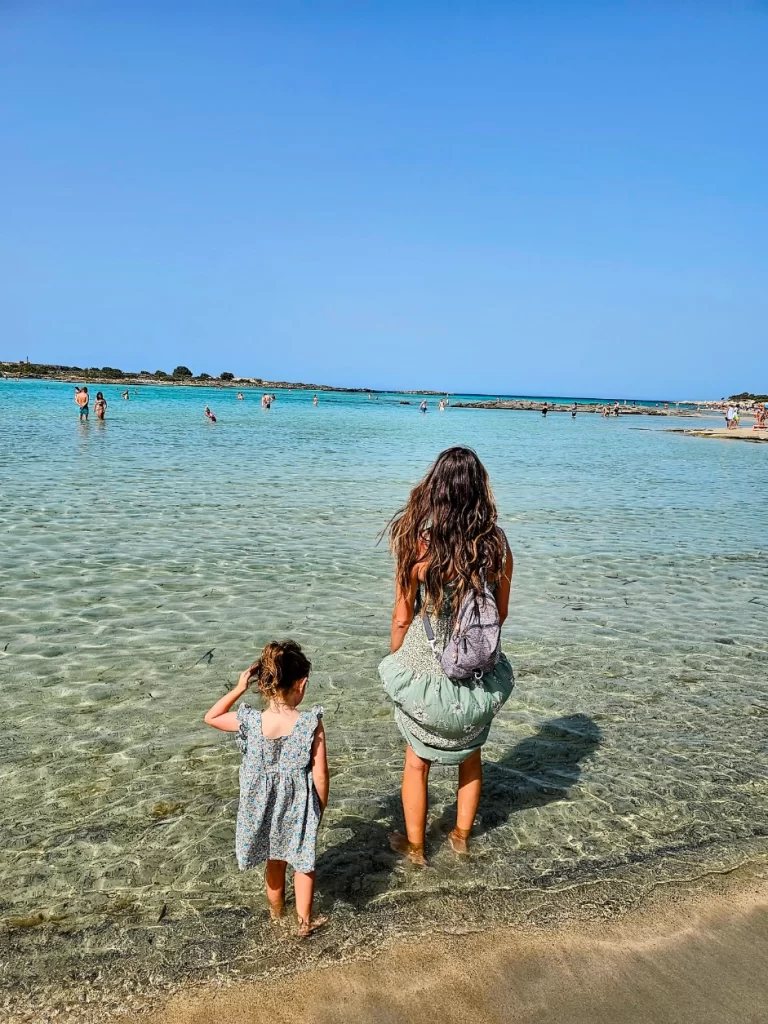
  • Elafonisi Beach in Crete completely won us over. Think soft sand, shallow turquoise water, and that faint pink glow—yes, it’s real.

🌤️ Best Time to Visit
  • May to early June or late September offer warm days without the summer chaos. Peak season in July and August is hot and packed.

🚌 Transportation Tip
  • Intercity buses (KTEL) are reliable. Ferries connect islands well, though schedules vary off-season. On some islands, you may want to rent a car or ATV.

🚰 Water Safety Info
  • Tap water is safe in Athens and many mainland areas, but opt for bottled water on most islands.

📶 Wi-Fi & Connectivity
  • Wi-Fi is decent in most hotels and cafes. Consider a Greek SIM card if you’re island-hopping or road-tripping.

🚻 Bathroom Availability
  • Public toilets can be scarce or paid (€0.50–€1). Bring tissues and coins just in case.

🤝 Cultural Custom Tip
  • A friendly “Yassas” or “Efharistó” (thank you) goes a long way. Don’t flush toilet paper—bins are provided beside most toilets.

🤯 Fun Fact
  • Greece has more archaeological museums than any other country in the world.

Greece Posts

💡Final Notes

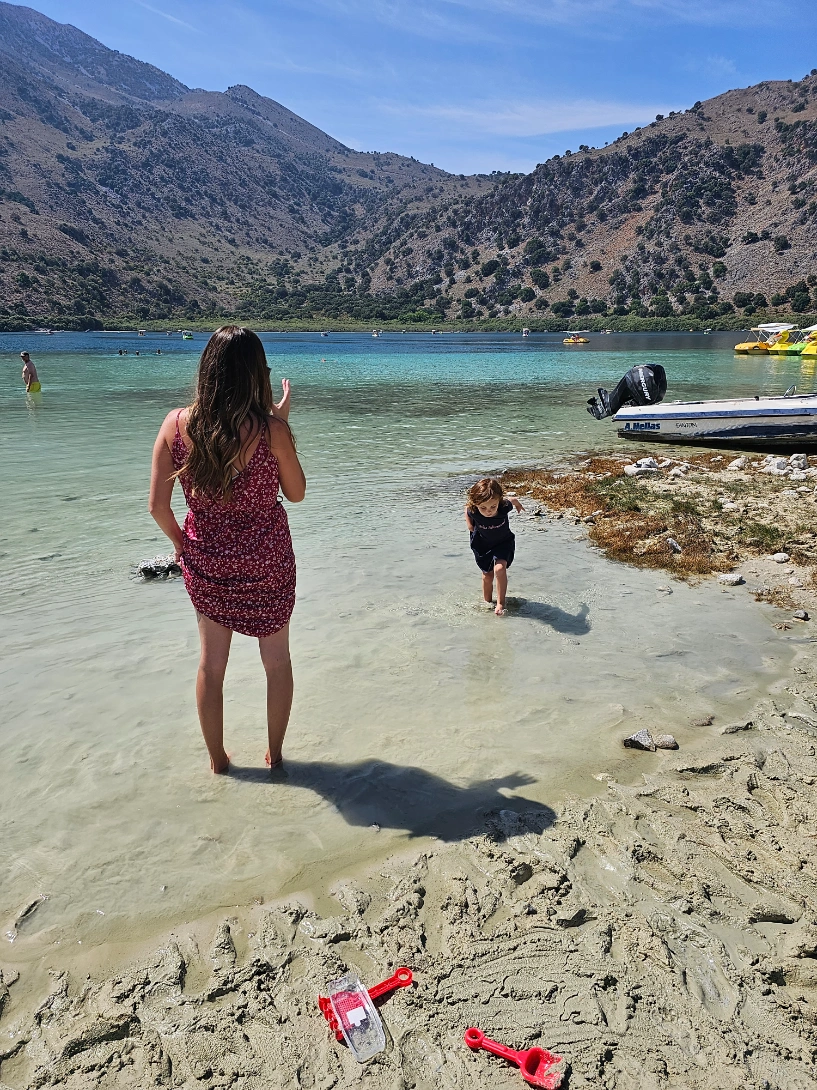
Greece hit that rare travel sweet spot—relaxing, delicious, and full of stories to take home. Our road trip across Crete, from Malia to Elafonisi, was one of our all-time favorite family memories. Cruising the coast with the top down, stopping at freshwater Lake Kournas for a paddleboat break, and grabbing souvlaki in Chania? Can’t recommend it enough.

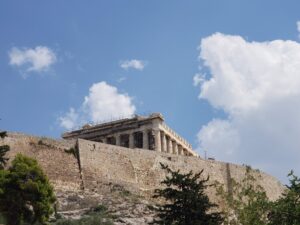
While Athens has undeniable historical weight, it’s not for the faint of heart in summer. Expect crowds, heat, and more traffic than you’d guess. The hop-on-hop-off bus made sightseeing manageable for us to get in the most sights in an efficient amount of time.

We found locals kind, especially older folks who went out of their way to smile at or fuss over our daughter. English is widely spoken, though a little Greek charm like “Efharistó” goes a long way. Just watch out for tourist pricing at cafes near famous landmarks and always double-check your ferry departure times.

There’s still so much we didn’t touch—smaller islands, mountain villages, inland ruins. Greece keeps calling, and we’re pretty sure we’ll keep answering.