💱 Currency
• Montenegro uses the Euro (EUR), even though it’s not in the EU. Cash is still preferred at small shops, markets, and rural areas.
🗣️ Language
• The official language is Montenegrin. English is widely spoken in tourist areas, especially by younger people.
🕒 Time Zone & DST
• Central European Time (UTC+1). Daylight Saving Time is observed from late March to late October.
🔌 Plugs
• Type C and F plugs, 230V / 50Hz. A universal adapter is recommended if you’re traveling from outside Europe.
💰 Tipping Culture
• Tipping is appreciated. Round up the bill or leave 5–10% at restaurants if service isn’t included. A few coins for taxis and cafés is polite.
🏧 ATM Access
• ATMs are easy to find in cities and tourist towns. Foreign cards are accepted, but avoid dynamic currency conversion and always withdraw in EUR.
🚨 Emergency Information
• Dial 112 for police, fire, or ambulance. Operators may speak English, especially in coastal areas.
🔗 Embassy Info
• List of Embassies
🛂 Visa Requirements
• Do I need a Visa?
💉 Vaccine Requirements
• Vaccine Information
✈️ Major Airports
• Podgorica Airport (TGD) and Tivat Airport (TIV) are the main international gateways. Tivat serves more seasonal flights along the coast.
🍽️ Food to Try
• Try burek, a flaky pastry filled with meat, cheese, or spinach—best enjoyed fresh from a bakery. Grilled meats and seafood are also widely loved.
📍 Must-See Spot
• The Our Lady of the Rocks church in Perast sits on a tiny manmade island and is reachable by boat. It’s both beautiful and fascinating.
🏞️ Our Favorite Location
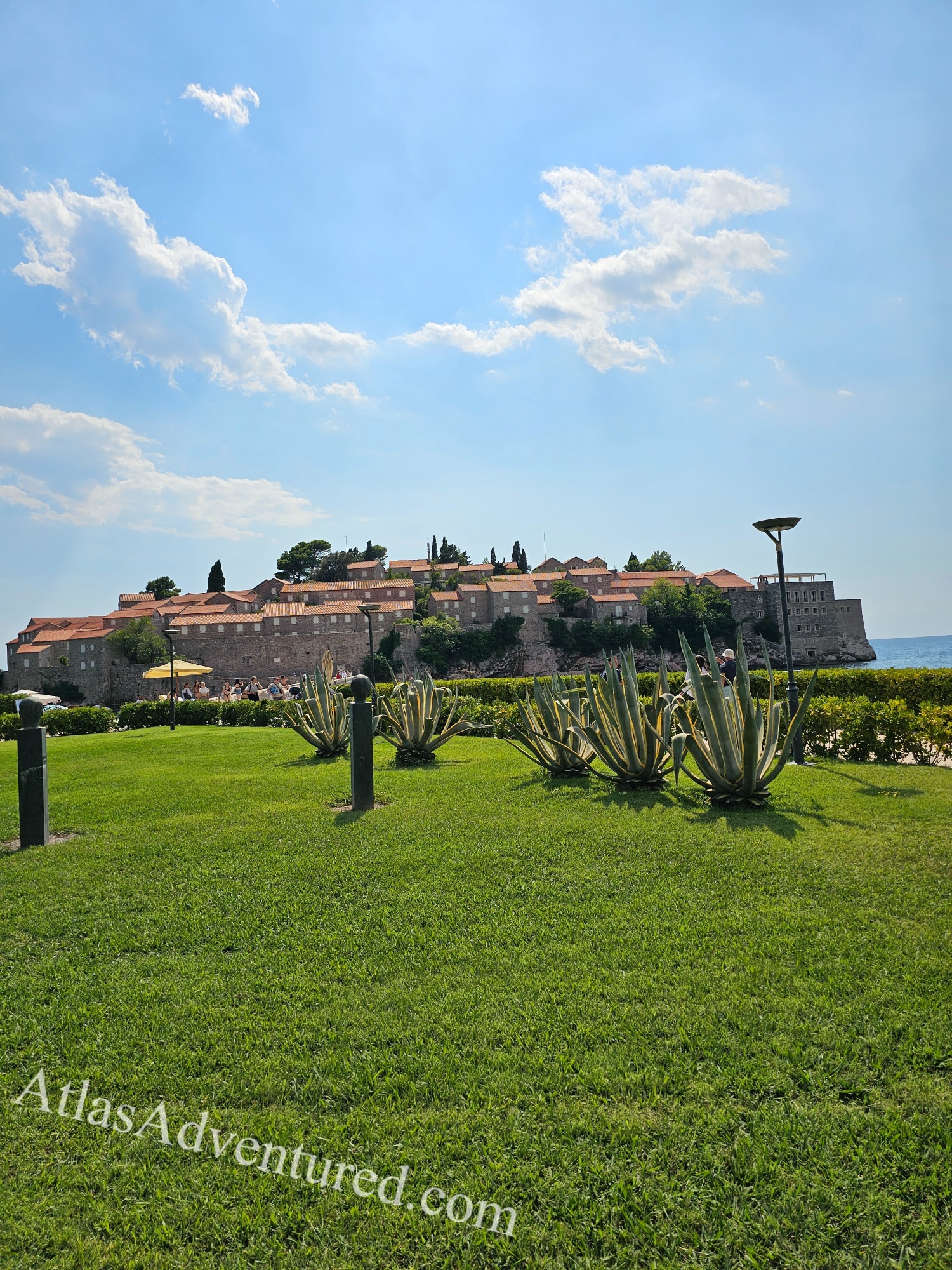
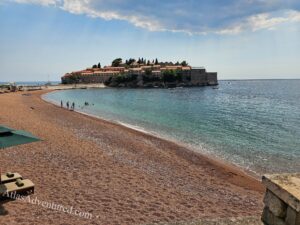
• Sveti Stefan was a standout for us. It’s partially closed to the public, but the views from the beach and cliffside walks were stunning.
🌤️ Best Time to Visit
• May through early October offers great weather for the coast. July and August are hot and crowded, but June and September strike a good balance.
🚌 Transportation Tip
• No metros, but buses connect major towns. Taxis can be pricey—download local apps like ‘Red Taxi’ or ‘Nas Taxi’ for better rates.
🚰 Water Safety Info
• Tap water is safe to drink in most areas, but if you’re unsure or in rural zones, bottled water is widely available.
📶 Wi-Fi & Connectivity
• Wi-Fi is common and usually free in hotels and restaurants. Local SIM cards from Telenor or Telekom offer good coverage and data rates.
🚻 Bathroom Availability
• Public bathrooms are hit or miss. Carry small change—some require a coin—and use cafés or gas stations when needed.
🤝 Cultural Custom Tip
• A firm handshake is the norm when greeting. Montenegrins are proud and direct, so respect and eye contact go a long way.
🤯 Fun Fact
• Despite its size, Montenegro has five distinct geographic zones—from beaches to alpine peaks—all within a few hours’ drive.

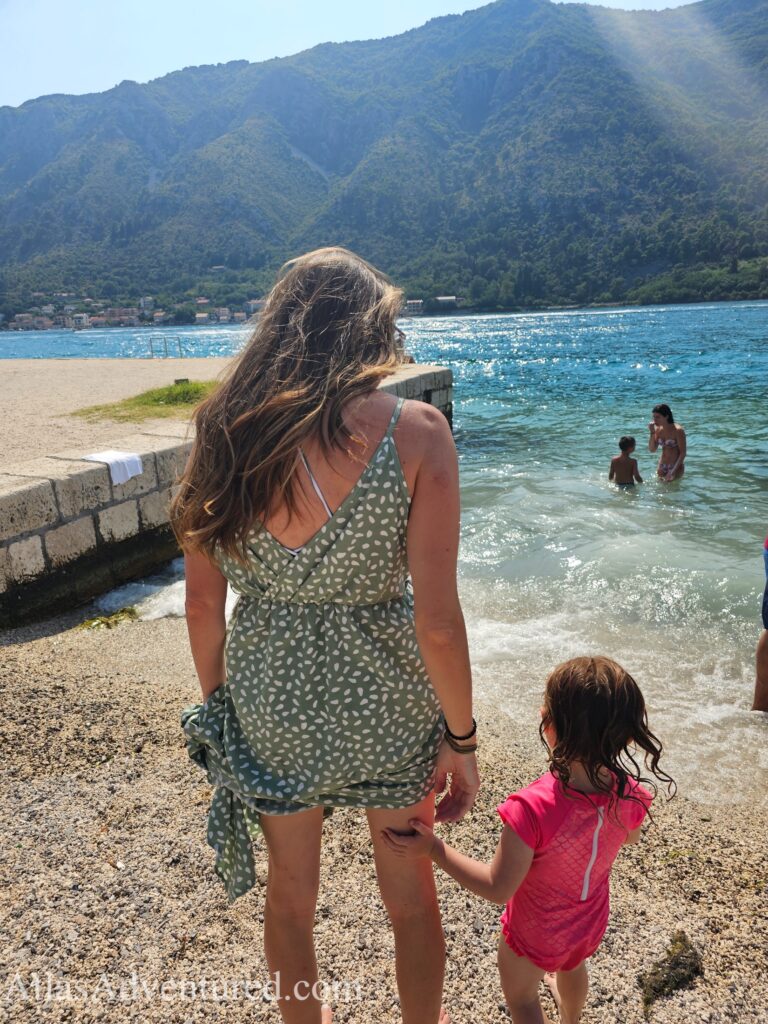
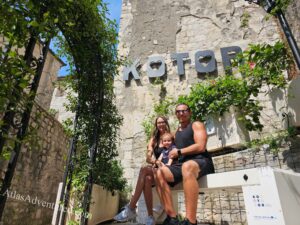
After six weeks living in Dobrota, just outside Kotor, we got a real sense of Montenegro’s rhythms. The scenery? Unreal. Watching cruise ships glide into the bay from our balcony became a surprisingly satisfying morning ritual with coffee. Grocery shopping took some trial and error—packaged items were pricey, but we discovered that stocking up on fresh bread, deli cuts, and local cheeses kept both our budget and taste buds happy. One not-so-happy moment? Trusting sausage from a sketchy open-air market. Let’s just say… lesson learned.
We felt safe overall, though petty theft like bag snatching can happen in crowded areas—use the usual precautions.
Tourist prices are alive and well, so hunting for local deals made all the difference. Also, some bus stations still require printed tickets (yes, printed), so don’t ignore the fine print. The people might seem a bit cold at first, but once you’ve crossed paths a few times, they’ll surprise you with genuine warmth. Even a simple “dobar dan” or “hvala” got us plenty of smiles. Montenegro grows on you in unexpected ways—and we definitely found ourselves wanting just a little more time to explore what was around the next curve of the coast.