✈️ Major Airports • Prague Václav Havel Airport (PRG) is the main international hub, with smaller airports in Brno (BRQ) and Ostrava (OSR).
Travel Tips for Czechia
🍽️ Food to Try • For authentic Czech flavors, try svíčková, goulash with dumplings, and trdelník—touristy but tasty.
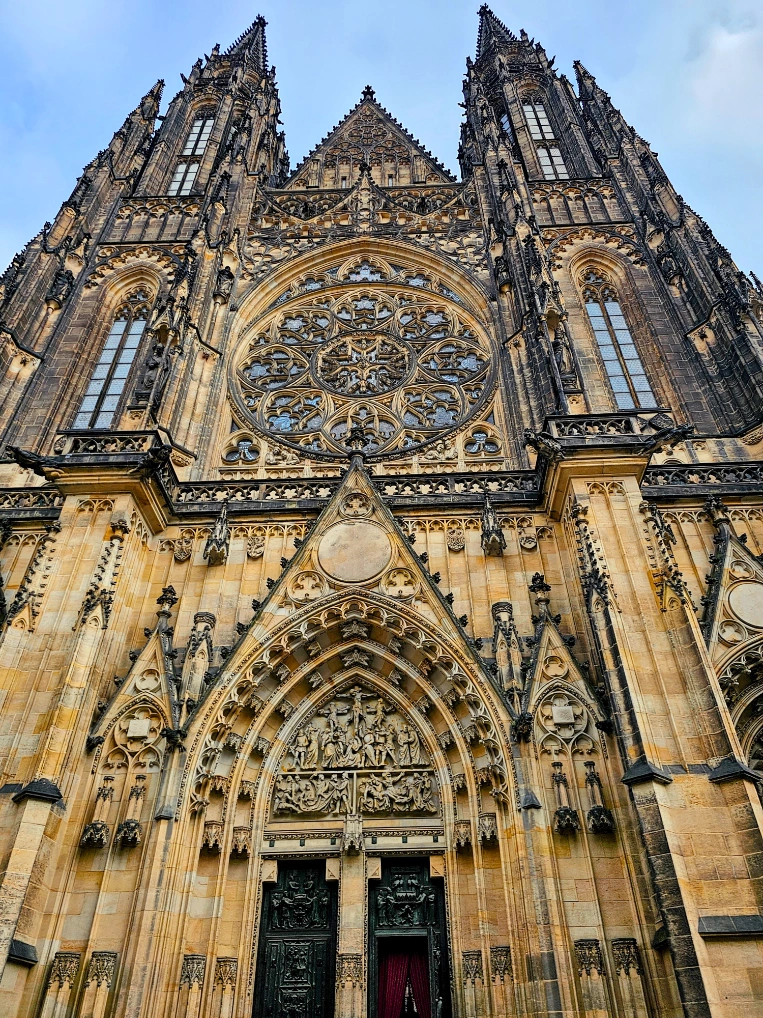
📍 Must-See Spot • Prague Castle is hard to top. It’s the largest ancient castle complex in the world and delivers that fairy-tale meets fortress kind of vibe.
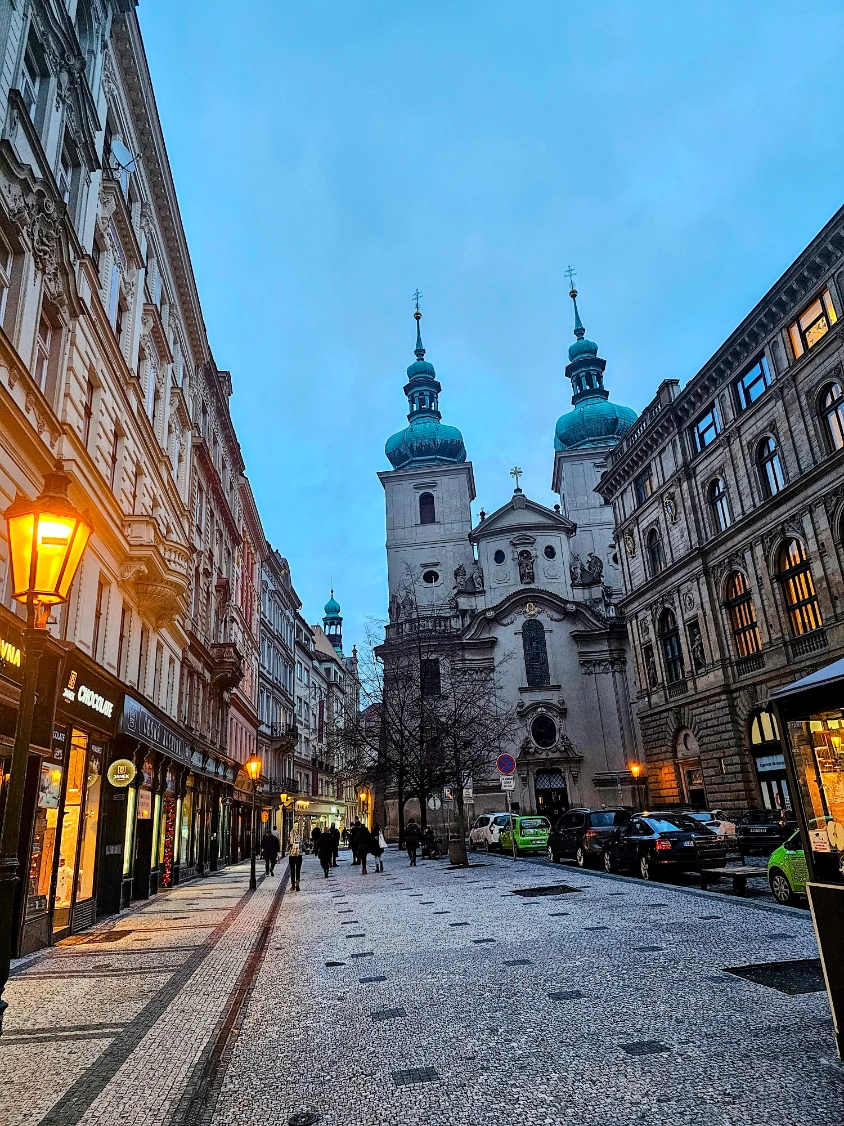
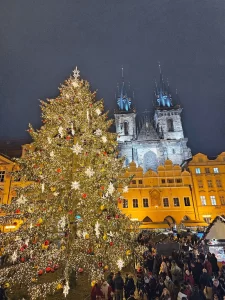
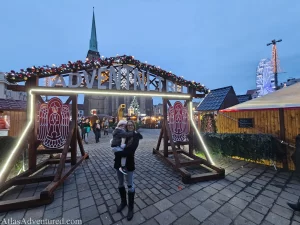
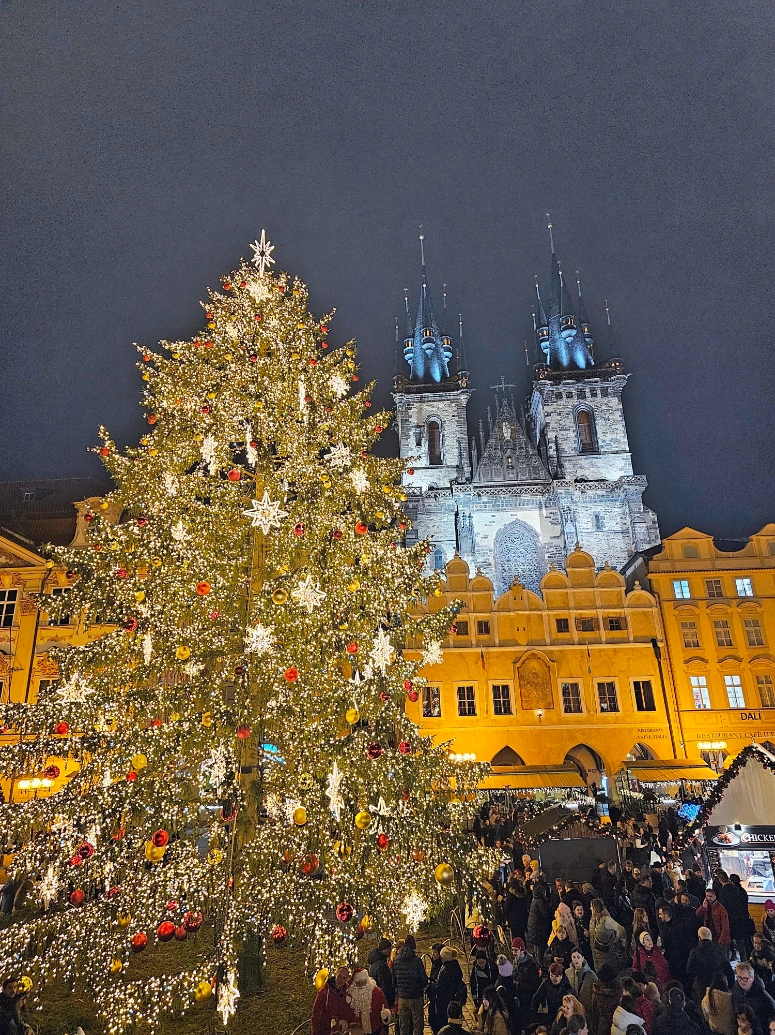
🏞️ Our Favorite Location • We loved exploring Prague Old Town, especially during the holiday season with its glowing squares and festive stalls. The old-world charm really comes alive with a little winter chill.
🌤️ Best Time to Visit • May to September for sunshine and festivals, or December for Christmas markets and cozy pubs.
🚌 Transportation Tip • Trams and metros in Prague are affordable and efficient. Validate tickets before boarding and keep them handy—ticket checks are frequent.
🚰 Water Safety Info • Tap water is safe throughout the country. No need for bottled unless you prefer it.
📶 Wi-Fi & Connectivity • Wi-Fi is easy to find. For data, SIM cards from Vodafone or T-Mobile CZ offer good coverage. Google Maps offline works well in cities.
🚻 Bathroom Availability • Public toilets are around but often require coins or a small fee. Use cafés or shopping centers if stuck.
🤝 Cultural Custom Tip • A firm handshake and eye contact go a long way. Locals can be reserved at first but warm up once engaged.
🤯 Fun Fact • The Czech Republic drinks more beer per capita than any other country—and they’ve perfected it. A pint is often cheaper than bottled water.
Czechia felt safe and surprisingly easy to navigate—even in the middle of winter. Prague was clean, walkable, and well-lit at night. We didn’t run into any scams, but touristy zones sometimes charge more for the same beer you’ll find a few blocks away. Local etiquette leans formal: greet shopkeepers, don’t skip the “dobrý den,” and wait your turn patiently. Dial 112 for emergencies.
Expect brisk winters and warm summers, with spring and fall offering a sweet spot of fewer crowds. English is commonly spoken in Prague and major towns, though smaller cities might warrant a quick peek at your translation app.
For families, it’s a great intro to Central Europe—affordable, scenic, and stroller-friendly in most places. Solo travelers will find it approachable without being boring. Tipping isn’t extravagant; just round up or leave 5–10%. Cash is handy for trams and small cafés, but cards are accepted almost everywhere.
We road-tripped through during the holidays, and from the festive glow of Prague to the quiet charm of Pilsen, Czechia left us with the kind of memories that stick longer than expected.