Austria

Austria - Fast Facts

💱 Currency
  • Euro (EUR) is the official currency. Credit cards are widely accepted, but it’s smart to carry some cash for small vendors and rural stops.

🗣️ Language
  • German is the official language, but English is commonly understood in tourist-friendly areas and major cities.

🕒 Time Zone & DST
  • Austria operates on Central European Time (CET) and observes Daylight Saving Time from late March to late October.

🔌 Plugs
  • Uses Type F plugs, with a 230V voltage standard. Bring a travel adapter if needed.

💰 Tipping Culture
  • Rounding up is common, or tip 5–10% at restaurants. No need to overdo it—just a kind gesture.

🏧 ATM Access
  • ATMs are plentiful, especially near banks and train stations. Stick to reputable machines to avoid unnecessary withdrawal fees.

🚨 Emergency Information
  • General emergency: 112. Police: 133. Ambulance: 144.

🔗 Embassy Info
  • List of Embassies

🛂 Visa Requirements
  • Do I need a Visa?

💉 Vaccine Requirements
  • Vaccine Information

✈️ Major Airports
  • Vienna (VIE) is the largest international hub, with Salzburg (SZG) and Innsbruck (INN) serving regional routes.


Travel Tips for Austria

🍽️ Food to Try
  • Wiener Schnitzel was invented here, and it’s still the star of many menus. Also worth trying: Käsespätzle (cheesy noodles) and apple strudel done the proper Austrian way.

📍 Must-See Spot
  • Innsbruck blends Alpine beauty with imperial charm. Even if you’re not skiing, the mountain views and colorful old town are worth the trip.

🏞️ Our Favorite Location
  • Vienna in the summer feels regal and relaxed, but the Austrian Alps during the holidays? Absolutely magical—like stepping into a snow globe.

🌤️ Best Time to Visit
  • May to September for festivals and warm weather, December for snow-dusted villages and Christmas markets.

🚌 Transportation Tip
  • Austria’s train system is top-tier—efficient, scenic, and affordable with the right pass. Cities like Vienna also have reliable metros and trams.

🚰 Water Safety Info
  • Tap water is among the cleanest in the world. Refill freely from public fountains in most towns.

📶 Wi-Fi & Connectivity
  • Wi-Fi is easy to find, but if you’re hopping regions, grab a SIM card from A1 or Magenta. Google Maps works great, even offline.

🚻 Bathroom Availability
  • Public toilets are clean but often paid (usually €0.50–€1). Keep coins handy or use cafes as pit stops.

🤝 Cultural Custom Tip
  • Austrians appreciate polite greetings—always say “Grüß Gott” or “Hallo” when entering shops or small spaces.

🤯 Fun Fact
  • Austria has over 13 peaks above 3,000 meters, yet you can still ride a sleek city tram in your snow boots.

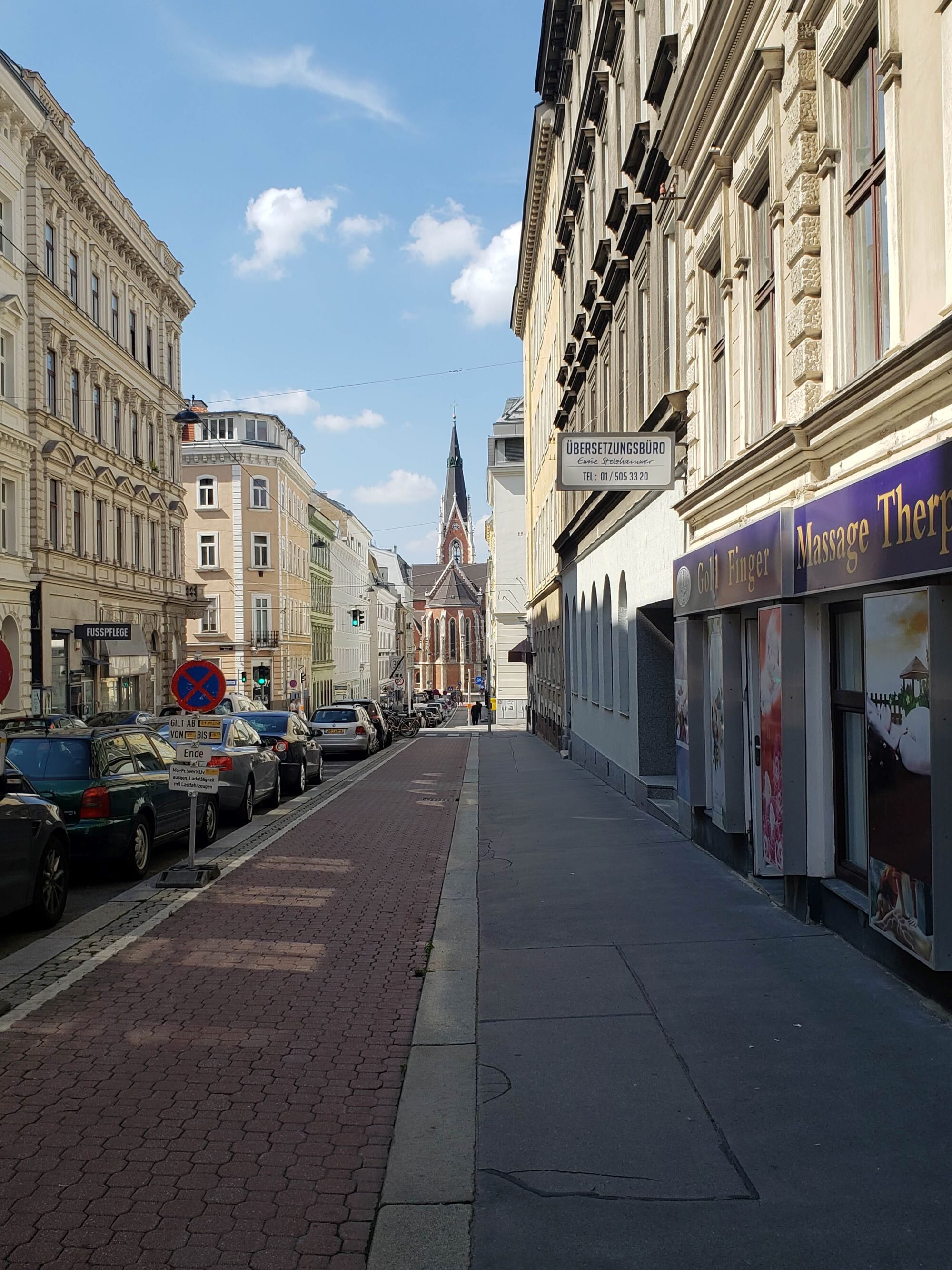
Austria Posts

💡Final Notes

Austria is one of the safest countries in Europe, and you’ll feel it. The vibe is calm, not chaotic. Just keep an eye out for occasional overcharges in taxis near tourist zones. Austrians value order, so always stay in your lane—literally and socially. Cutting lines or being loud in public isn’t well received. Emergency numbers are easy to remember: dial 112 for most services.

The weather swings between warm alpine summers and snow-filled winters, so check the forecast and pack accordingly. English is spoken fairly well in cities and tourist hubs, though smaller villages may require a translation app or some solid miming.

Austria is fantastic for both families and solo travelers. It feels accessible and welcoming without being overwhelming. Tipping is modest but appreciated, and while credit cards are accepted in most places, small cash for rural cafes or restrooms comes in handy.

SIM cards work great, and Wi-Fi is everywhere you’d want it to be. Locals can seem reserved at first, but they’re helpful once engaged. Would we go back? We already daydream about those mountain towns lit up for the holidays.

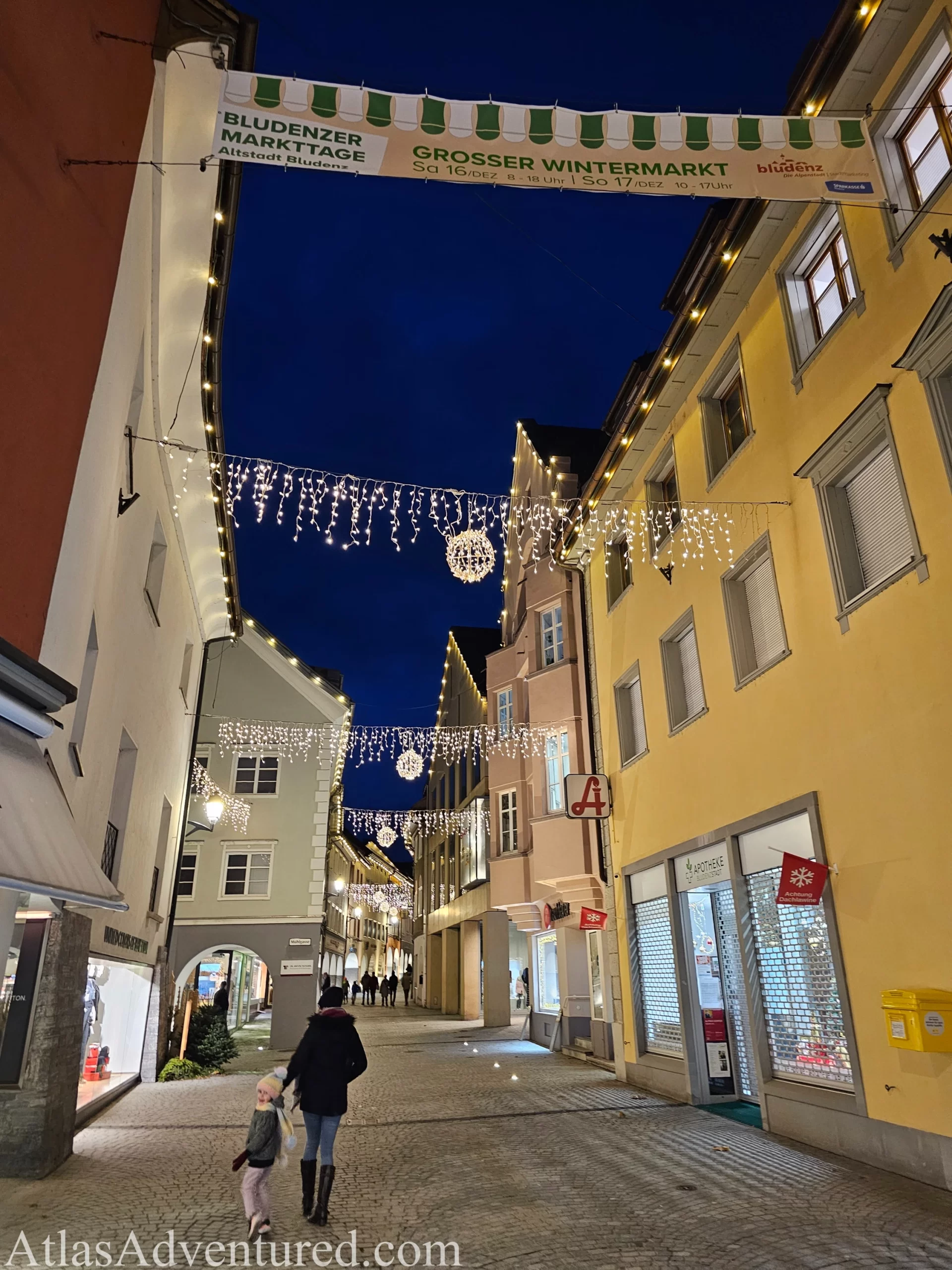
Exploring the town of Bludenz, Austria