💱 Currency
• Euro (EUR) is the official currency. Credit cards are widely accepted in cities and tourist hubs, but carry small bills for markets or coastal villages.
🗣️ Language
• Croatian is the official language. English is spoken well in tourist areas, especially along the Adriatic Coast.
🕒 Time Zone & DST
• Operates on Central European Time (CET) and observes Daylight Saving Time from late March to late October.
🔌 Plugs
• Uses Type C and F plugs with a 230V voltage.
💰 Tipping Culture
• Tipping isn’t mandatory but is appreciated—round up or leave 5–10% at restaurants, especially in tourist zones.
🏧 ATM Access
• ATMs are common and support most international cards. Stick to machines connected to major banks to avoid high fees.
🚨 Emergency Information
• Dial 112 for general emergencies. Police: 192, Fire: 193, Ambulance: 194.
🔗 Embassy Info
• List of Embassies
🛂 Visa Requirements
• Do I need a Visa?
💉 Vaccine Requirements
• Vaccine Information
✈️ Major Airports
• Main international hubs include Zagreb (ZAG), Split (SPU), and Dubrovnik (DBV).
🍽️ Food to Try
• Don’t skip Ćevapi (grilled minced meat sausages) or Peka, a slow-cooked meat and veggie dish under a bell-like dome. Along the coast, fresh seafood is king—grilled octopus and black risotto are local staples.
📍 Must-See Spot
• Diocletian’s Palace in Split is a wild blend of ancient ruins and buzzing life. You can sip espresso inside a Roman emperor’s old digs—no big deal.
🏞️ Our Favorite Location
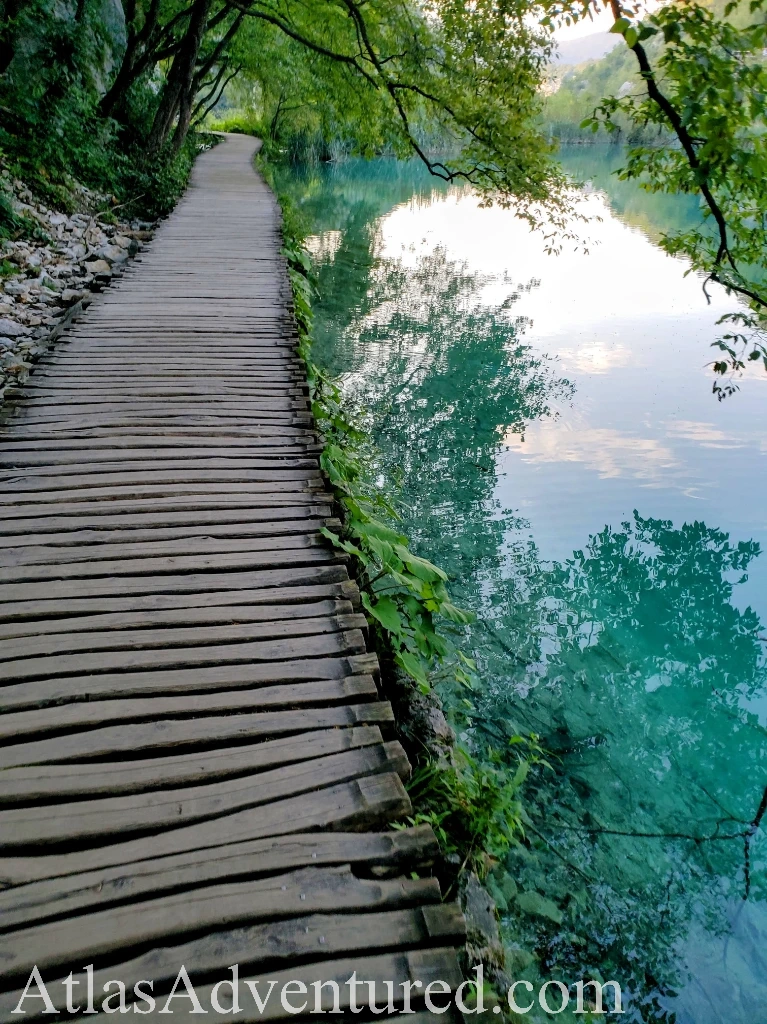
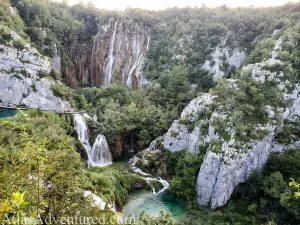
• Plitvice Lakes National Park was a total standout—waterfalls, turquoise lakes, wooden pathways, and scenery that genuinely looks too perfect to be real. Nature nailed it.
🌤️ Best Time to Visit
• May–June and September hit the sweet spot: fewer crowds, warm days, and perfect sea-swimming temps.
🚌 Transportation Tip
• Intercity buses are reliable and well-connected. In cities, rideshares like Bolt are common, and island ferries make hopping around easy.
🚰 Water Safety Info
• Tap water is clean and safe to drink almost everywhere.
📶 Wi-Fi & Connectivity
• Wi-Fi is fast and free in most cafes. A1 and T-Mobile offer great tourist SIM cards. Google Maps works seamlessly.
🚻 Bathroom Availability
• Public restrooms are usually clean but often cost a small coin fee (€0.50–€1). Plan ahead in rural spots.
🤝 Cultural Custom Tip
• Croatians greet with a firm handshake and direct eye contact—don’t confuse that seriousness for rudeness; it’s just their style.
🤯 Fun Fact
• The hit show Game of Thrones filmed many iconic scenes in Dubrovnik, including the infamous “Walk of Shame” stairs. Yes, you can reenact it.

Croatia felt easy and safe—especially along the coast and in well-touristed areas. Like anywhere, stay aware in crowded places and watch your belongings on public transit. The only “scam” we encountered was overpaying for ice cream in Dubrovnik (tourist tax, literally). Culturally, Croatians are warm but appreciate politeness. Greet shopkeepers and dress modestly when visiting churches. Dial 112 for emergencies.
The climate ranges from sunny coastal summers to cooler, quieter winters inland. English is spoken widely in major towns, especially by younger locals, though a translation app can help in smaller villages.
Families will enjoy the ease of travel, open spaces, and walkable towns. Solo travelers won’t feel out of place either. While card payments are common, it’s smart to carry small cash—especially for bakeries or market stands.
Connectivity was solid everywhere we went, and people were generally kind, though not overly chatty with strangers. Croatia impressed us more than we expected. The mix of historic sites, outdoor adventure, and genuinely good food made it feel like a spot we’d recommend to just about anyone.