Hungary

Hungary - Fast Facts

💱 Currency
  • Hungary uses the Hungarian Forint (HUF). Card payments are common, but small cash is helpful at local markets and smaller towns.

🗣️ Language
  • The official language is Hungarian. English is spoken in Budapest and major tourist spots, less so in rural areas.

🕒 Time Zone & DST
  • Central European Time (UTC+1). Daylight Saving Time is observed from late March to late October.

🔌 Plugs
  • Type C and F plugs with 230V / 50Hz electricity. Bring a standard European adapter.

💰 Tipping Culture
  • Tipping is expected. 10%–15% at restaurants is standard unless service is included. Round up for taxis.

🏧 ATM Access
  • ATMs are widespread. Foreign cards work well, but be cautious of dynamic currency conversion. Always choose to be charged in HUF.

🚨 Emergency Information
  • Call 112 for police, ambulance, or fire. Operators usually speak English.

🔗 Embassy Info
  • List of Embassies

🛂 Visa Requirements
  • Do I need a Visa?

💉 Vaccine Requirements
  • Vaccine Information

✈️ Major Airports
  • Budapest Ferenc Liszt International Airport (BUD) is the main hub for international flights. Regional airports are limited.

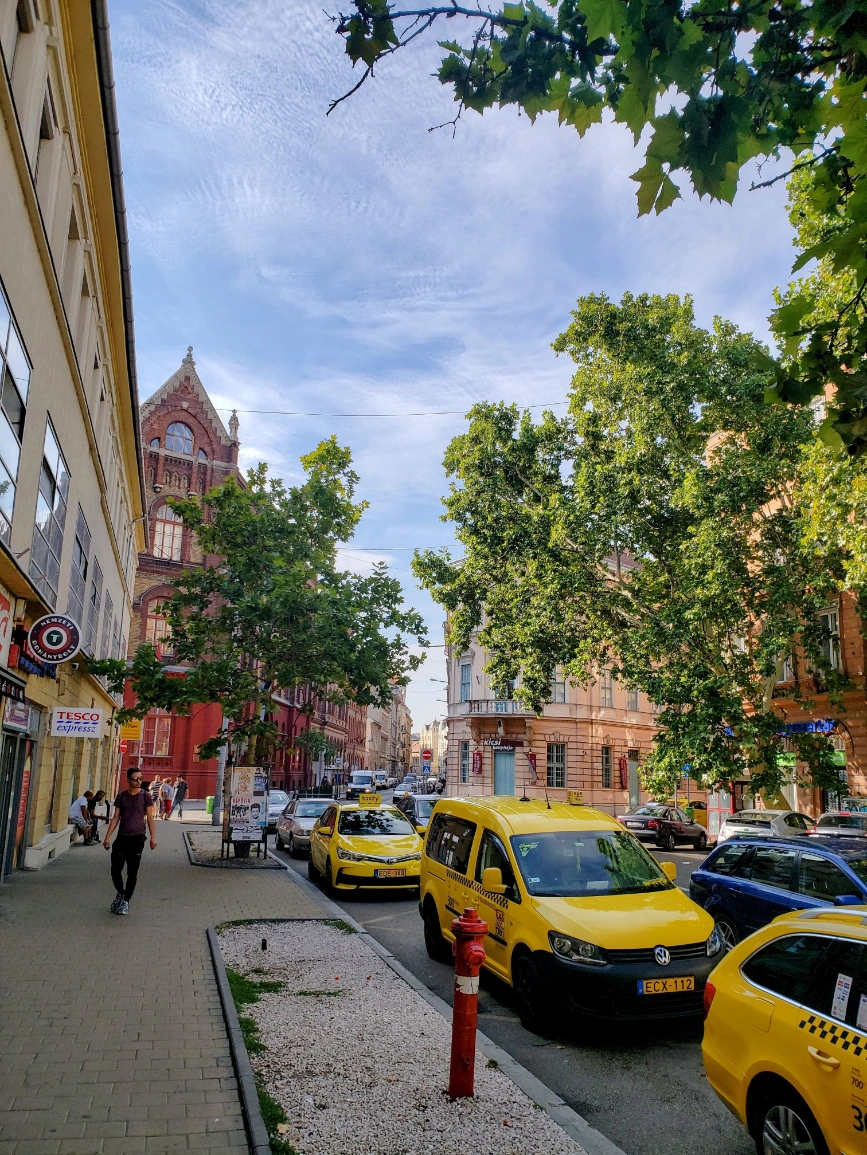
Taxis in Budapest, Hungary
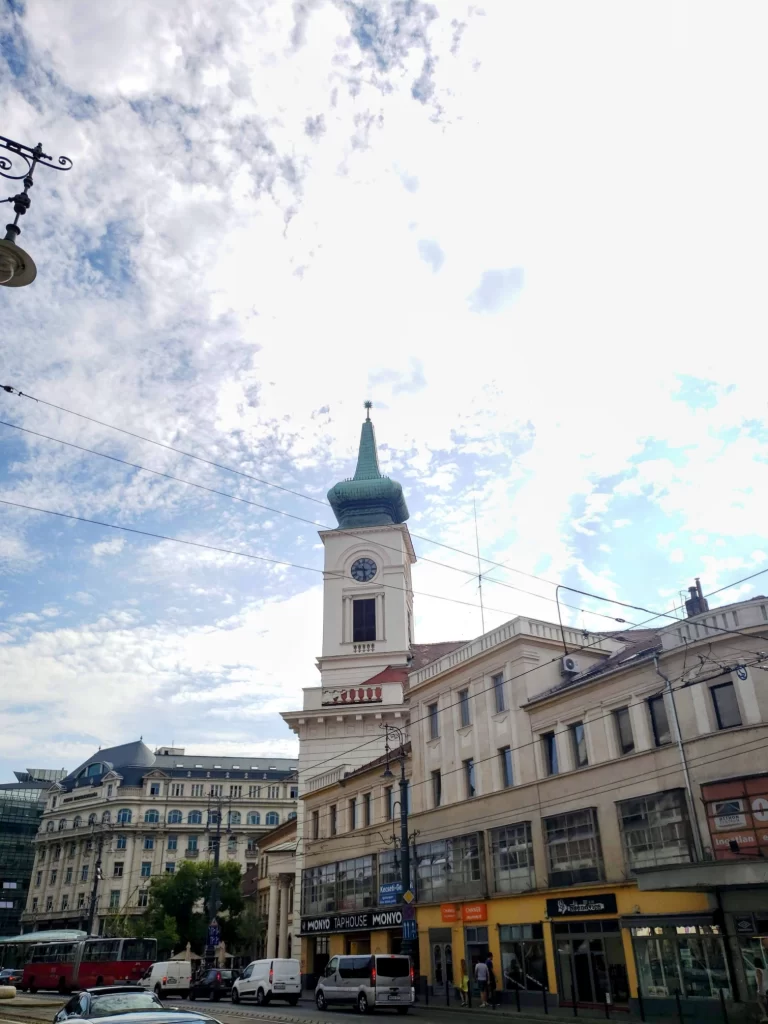
Architecture in Budapest Hungary

Travel Tips for Hungary

🍽️ Food to Try
  • Lángos—deep-fried flatbread topped with garlic, sour cream, and cheese—is Hungary’s street food MVP. Cheap, filling, and seriously delicious.

📍 Must-See Spot
  • Parliament Building in Budapest. It’s massive, ornate, and postcard-perfect—especially when lit up at night across the Danube.

🏞️ Our Favorite Location
  • We could roam Budapest for days. Between thermal baths, ruin pubs, hilltop views, and Danube strolls, it hits all the right notes.

🌤️ Best Time to Visit
  • Late spring and early fall offer perfect sightseeing weather. Summers can get warm but are full of festivals. Winters are magical during Christmas market season.

🚌 Transportation Tip
  • Budapest has a great metro, tram, and bus system. Grab a travel card or daily pass. Outside the capital, trains and long-distance buses are your best bet.

🚰 Water Safety Info
  • Tap water is safe to drink nationwide.

📶 Wi-Fi & Connectivity
  • Wi-Fi is reliable in most hotels and cafes. Grab a local SIM or eSIM for good coverage across the country.

🚻 Bathroom Availability
  • Public restrooms exist but are often paid. Keep small coins handy and expect to hunt for one outside city centers.

🤝 Cultural Custom Tip
  • Locals can seem reserved at first, but polite greetings go a long way. Always enter with a friendly “Szia” (hi) or “Jó napot” (good day).

🤯 Fun Fact
  • Hungary invented the Rubik’s Cube—and it’s still a source of national pride.

Hungary Posts

💡Final Notes

Hungary was a fascinating mix of history and modern charm. While Budapest feels built for travelers, smaller towns offer a quieter rhythm—and that’s where the culture really shines. Locals may not always speak English, but they’re usually patient if you make an effort. Translation apps are helpful if you’re venturing outside the city, and don’t expect signage to be in English once you leave tourist zones.

Weather-wise, winters can get brisk and gray, while summer heats up with open-air festivals and bustling cafés. Card payments are widely accepted, but we’d suggest always having a few Forint on hand for smaller vendors and ticket machines.

Hungary felt comfortable for families and solo travelers alike, and the overall vibe was relaxed but not overly casual. As a bonus: the country is safer than many realize, with petty theft being the only real concern in crowded spots.

We didn’t make it to Lake Balaton this time, but we passed it on our train out so  that is high on our list for our next visit.

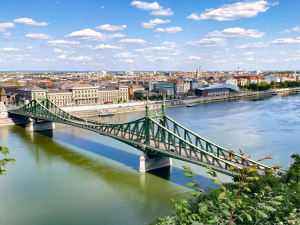
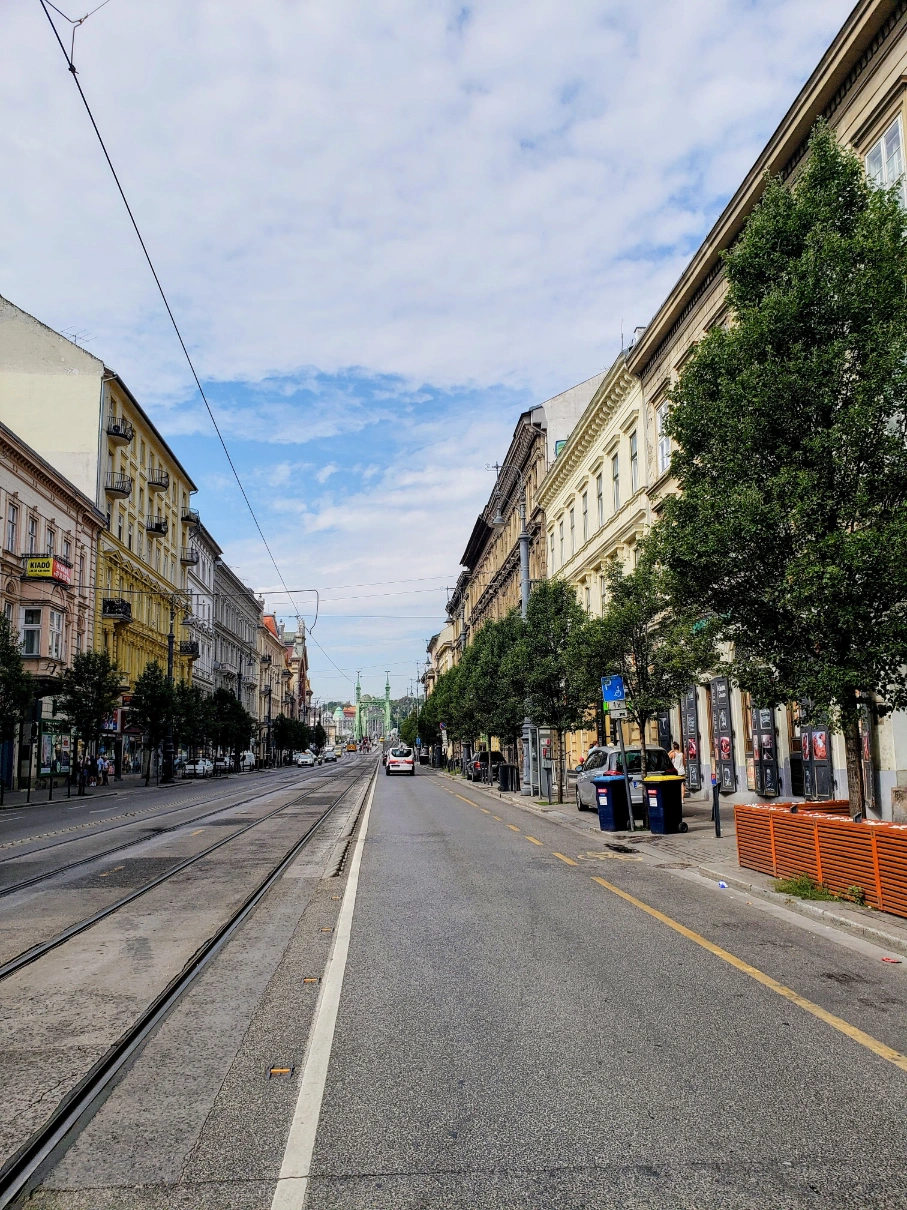
Street leading to Liberty Bridge in Budapest Hungary