

This narrow stretch of land holds a surprising amount of culture, history, and adventure—here are a few things to keep in mind before your trip:
• Entry and visa rules vary—check by country
• Routine vaccines are recommended, and some areas may require yellow fever proof
• U.S. dollars are often accepted, but local currency is preferred in many areas
• Expect tropical weather—pack light layers and mosquito protection
• Tipping customs vary, but 10% is generally appreciated
• ATMs are common in cities but less so in remote areas
🌴 Plan around the seasons:
🧭Best overall: November to April (dry season)
🧭Rainy season runs May–October—lush but humid
🧭Holidays like Semana Santa (Easter Week) bring crowds and higher prices
Side note: Rainy season doesn’t mean nonstop storms—showers are usually short and often come in the late afternoon. If you’re visiting during big holidays like Semana Santa or Independence Day (Belize is Sept. 21, Panama is Nov. 3 & 28, and the rest of Central America is on Sept. 15), book early and expect packed beaches and full buses. Some remote areas may also slow down during national holidays, so double-check hours and availability before making big plans.
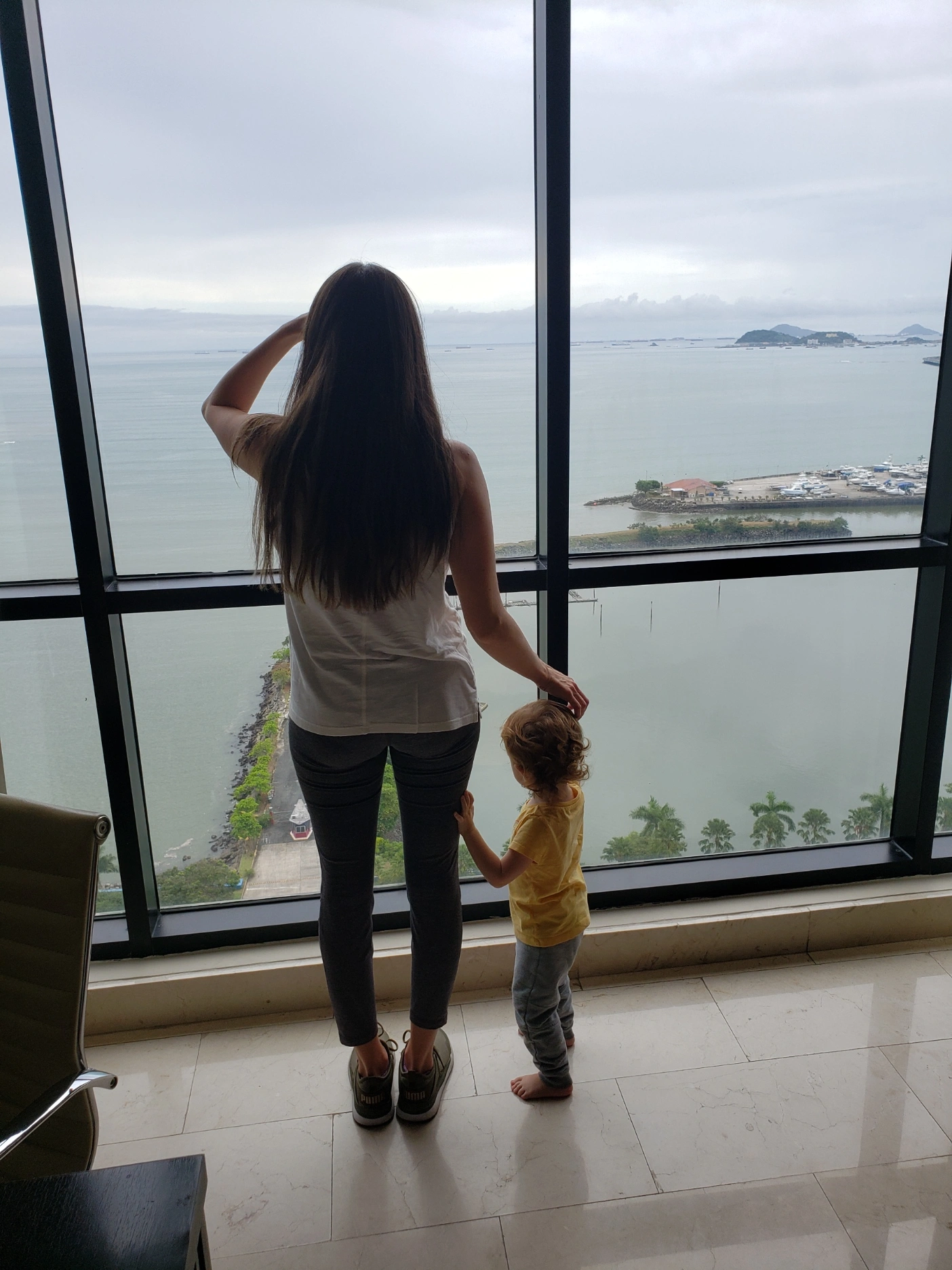
Central America gets a mixed reputation—some of it earned, a lot of it outdated. Sure, you’ll want to use common sense, plan ahead, and maybe don’t wander down random alleyways at night. We travel here with our young child and haven’t had a single issue, mostly because we research where we’re going and trust our gut. Google Maps and reviews are your best friends.
The people are friendly. The food? Underrated. The beaches are gorgeous, and the rain often stops just long enough for your clothes to dry. It’s not a place that tries too hard—it doesn’t need to.
If you show up curious and travel smart, Central America has a lot to offer. Volcanoes, mercados, empty stretches of sand, homemade empanadas—it’s all here. You won’t get the polished resort version of travel everywhere, but that’s kind of the point. It feels real. And honestly, that’s what keeps us coming back.
Visa requirements vary by country and nationality. U.S., Canadian, and EU passport holders can often enter countries like Costa Rica, Panama, and Guatemala visa-free for 30–90 days. Always check official embassy websites before traveling, especially if visiting multiple countries on the same trip.
The dry season (November to April) offers the best weather, especially for beach trips and outdoor adventures. May to October is the rainy season, but rain usually comes in short bursts, often in the afternoon. Traveling in the rainy season can mean fewer crowds and lush scenery.
Yes—many families travel through Central America with children. Destinations like Costa Rica, Belize, and Panama are especially family-friendly. Just research your route in advance, stay in well-reviewed accommodations, and avoid risky areas after dark. Transportation, water safety, and food hygiene are the key things to plan for.
Spanish is the primary language in most countries, but Belize uses English as the official language. In tourist areas, many locals speak basic English. Learning a few key Spanish phrases will enhance your travel experience and help with local interactions.
Travel between countries is possible by bus, private shuttles, or budget airlines. Inside countries, expect a mix of local buses (often called “chicken buses”), minivans, and taxis. Roads can be bumpy or unpaved in rural areas, so plan extra time for transfers.
U.S. dollars are widely accepted in Panama, El Salvador, and tourist hubs across the region. However, local currency is often preferred, especially for small purchases, local markets, and transportation. It’s a good idea to carry both currencies when possible.
Routine vaccines (MMR, tetanus, hepatitis A/B, typhoid) are recommended. Some countries may require yellow fever vaccination if arriving from certain regions. Malaria risk is low but present in some remote jungle areas. Check with a travel clinic 4–6 weeks before your trip.