North America is diverse and developed—planning ahead makes travel smoother:
• Check if you need an ESTA, eTA, or visa based on nationality • Entry requirements may include proof of onward travel or vaccinations • ATMs are widely available, but some remote areas prefer cash • Tipping is expected—15–20% is standard in the U.S. and Canada • Plugs use Type A/B at 110V—bring an adapter if you’re coming from abroad • Emergency number “911” works in both the U.S. and Canada
Best Time to Visit by Region 🗓️
🌤️ Seasons shift dramatically depending on the region—timing helps:
🧭U.S. & Canada (North): May–October for city visits and outdoor activities
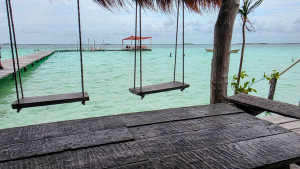
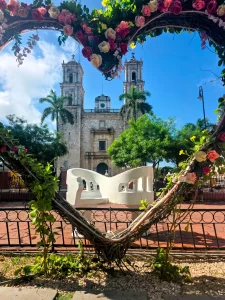
🧭Mexico: November–April for beach destinations and cooler weather
🧭Southwestern U.S.: Visit October–April to avoid the summer heat
🧭Northeastern U.S./Canada: September–October for fall foliage and less crowds
North America is home for us. We were both born and raised here, and somehow we’re still finding places we’ve never been, meals we’ve never tried, and towns that make us wonder how they stayed off our radar for so long. We’ve spent a lifetime exploring this part of the world, and the list just keeps growing.
There’s no single way to sum it up. The accents change every few hours, the food never gets boring, and the landscapes feel like someone hit shuffle on a world map. Beaches, canyons, swamps, glaciers—you name it, you can probably drive to it. This continent doesn’t just offer variety, it throws it at you in all directions. And we love that. It’s part of why we’re raising our daughter to see the world as wide, welcoming, and never just one thing.
For us, North America’s strength is in its diversity. Of people, stories, flavors, and ideas. That mix is what makes it interesting—and what makes it feel like home no matter where we are. We’re not even close to seeing it all, and honestly, we hope we never run out. There’s something comforting about knowing that the familiar still holds room for surprises.
That depends on your nationality. Travelers to the U.S. may need an ESTA, while those visiting Canada might need an eTA. Mexico often offers visa-free entry or electronic visas. Always verify requirements with the consulate or embassy of your destination before booking.
When is the best time to visit North America?
Spring (March–May) and fall (September–November) are typically best for comfortable weather and fewer crowds. Mexico’s dry season (November–April) is ideal for beach destinations. For fall foliage, visit the Northeastern U.S. or Eastern Canada in late September to mid-October.
Is North America expensive to travel in?
It can be, especially in major U.S. and Canadian cities. However, budget options exist—motels, local diners, public transit, and free outdoor attractions like national parks help cut costs. Mexico tends to be more budget-friendly than the U.S. or Canada.
What’s the tipping culture in North America?
Tipping is expected in most service industries. In the U.S. and Canada, 15–20% is standard at restaurants. You should also tip taxi drivers, hotel staff, and tour guides. In Mexico, tips are appreciated but often lower—around 10–15% is customary.
Is it easy to drive in North America as a tourist?
Generally, yes. Roads are well-marked, and renting a car is common. However, toll roads, parking regulations, and insurance requirements vary by region. International driver’s permits may be required in Mexico. Always read local driving rules before you go.
Are there language barriers in North America?
English is widely spoken in the U.S. and Canada, while Spanish is the main language in Mexico. In tourist areas, English is often understood. Learning a few phrases in Spanish or French (in Quebec) is a nice gesture and may come in handy.
What kind of power plugs are used in North America?
Most of North America uses Type A and B plugs at 110 volts. If you’re visiting from a country that uses different plugs or voltage, bring a universal adapter and check your devices for voltage compatibility to avoid damage.