Travel is magical… until you realize your “dream trip” just dumped a mountain of plastic bottles into the ocean. Yikes. That’s where eco tourism comes in. It’s travel that actually makes the world better instead of worse.
The best part? It doesn’t have to cost more.
We’ve been testing this out across dozens of countries (with a kid in tow), so if we can do eco tourism without losing our sanity, so can you. Ready to see how it works?
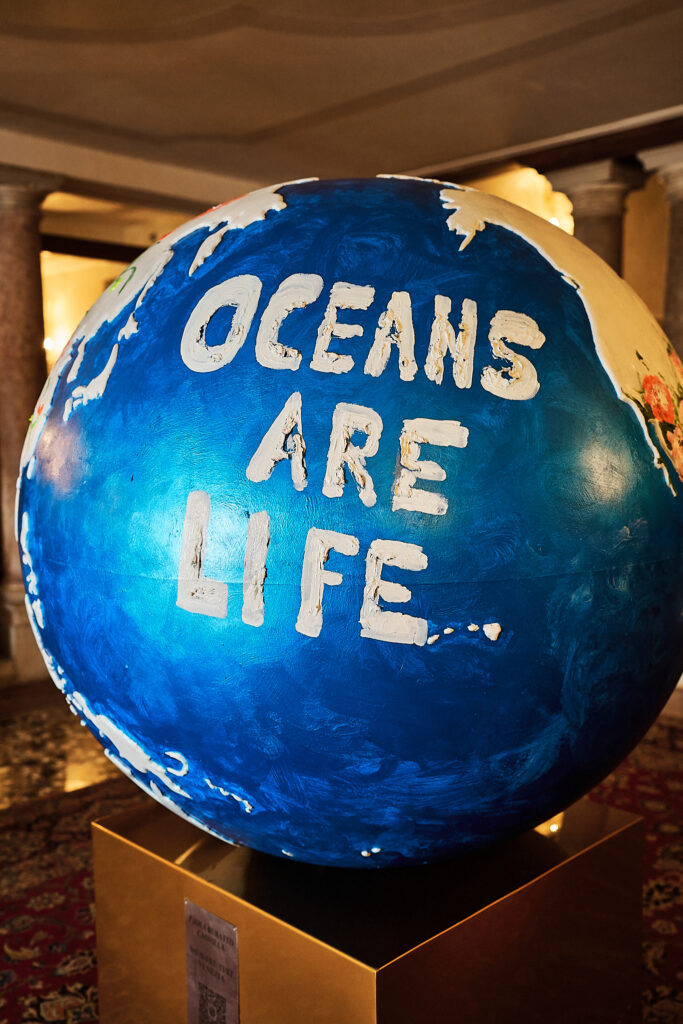
What Is Eco Tourism, Really?
Eco tourism isn’t about selling your car, weaving your own clothes, and living off kale smoothies (though hey, if that’s your vibe, you do you). It’s about traveling in a way that doesn’t destroy the planet and helping the people who actually live there, all while still giving you an epic adventure.
For us, eco tourism has been our reality since 2018. We’ve been slow-traveling full time for years, on a tight budget, and we’ve learned how to make travel both affordable and sustainable.
Bonus: our kid is growing up knowing that connection, conservation, and community matter more than some status quo.

? What Makes Travel “Eco”?
Eco tourism or sustainable travel is not about being perfect (newsflash: you’re still going to make a footprint). It’s about being intentional. The basics usually fall into three buckets:
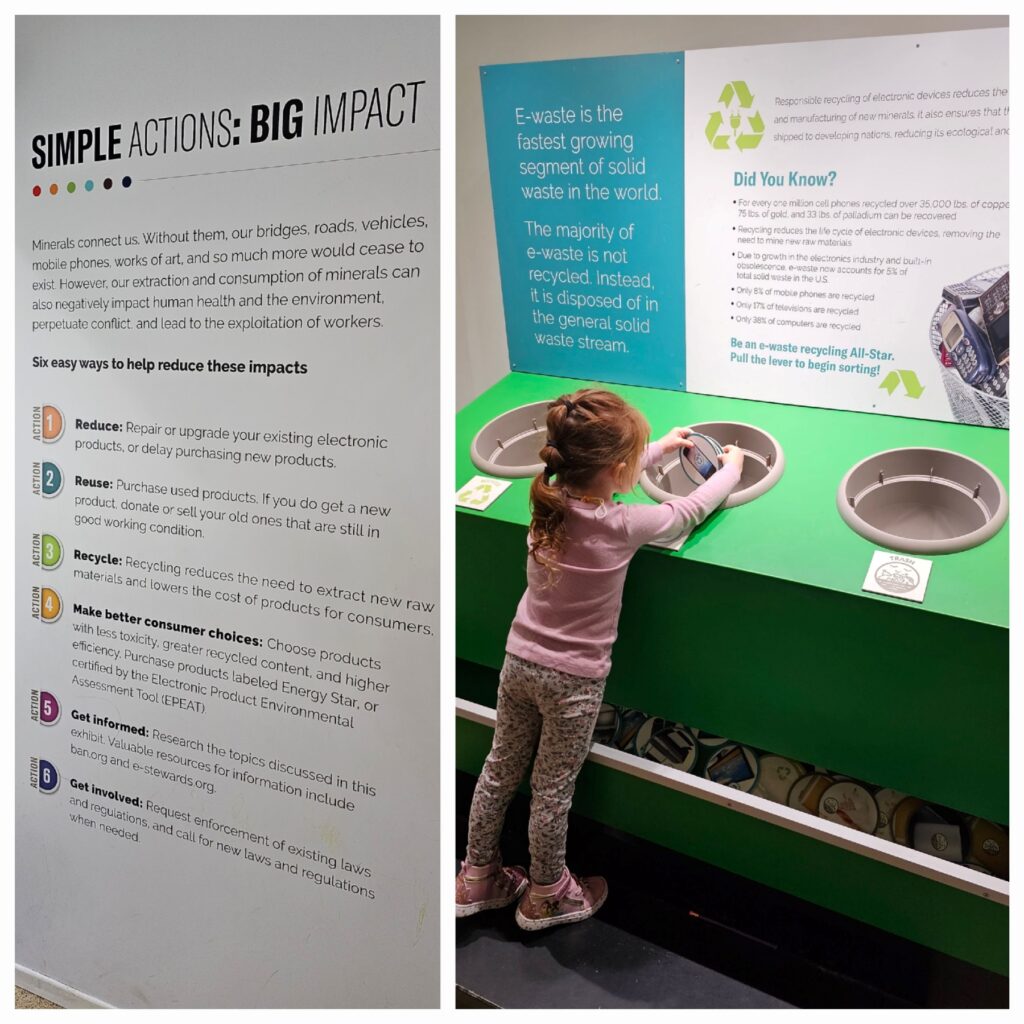
- Environmental responsibility: Use fewer resources, make less waste, stop pretending plastic bottles disappear when you toss them. Follow the old adage ‘Reduce, Reuse, Recycle’.
- Support for local communities: Spend money at places where it actually matters. No, Starbucks in Rome doesn’t count.
- Education and connection: Learn, engage, and leave places better than you found them.
? Everyday Eco Habits You Can Actually Do
1. Pick Up Trash While You Travel ?
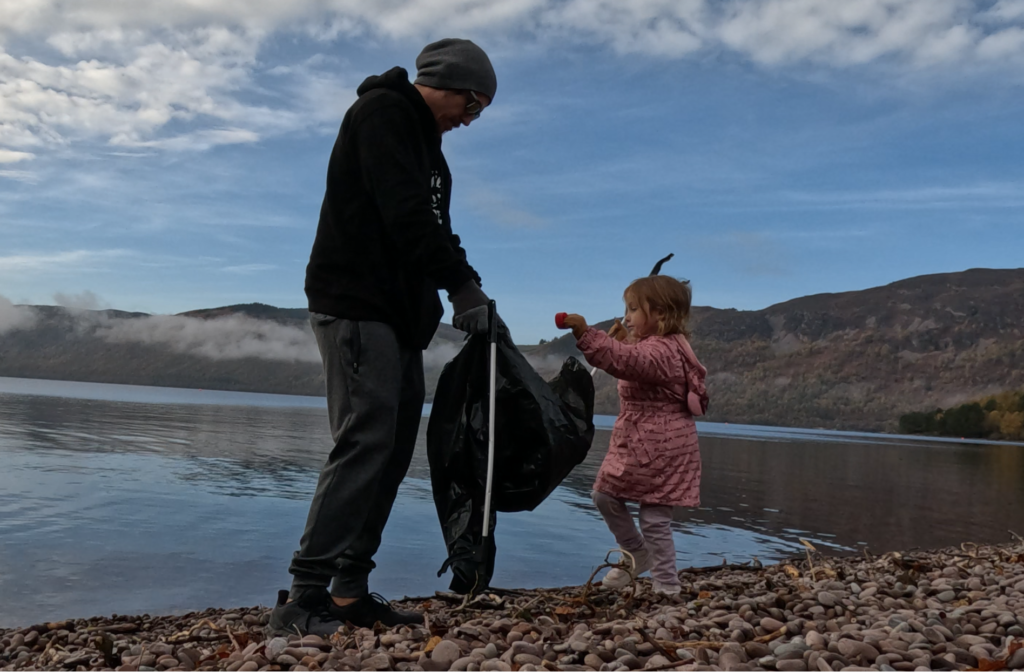
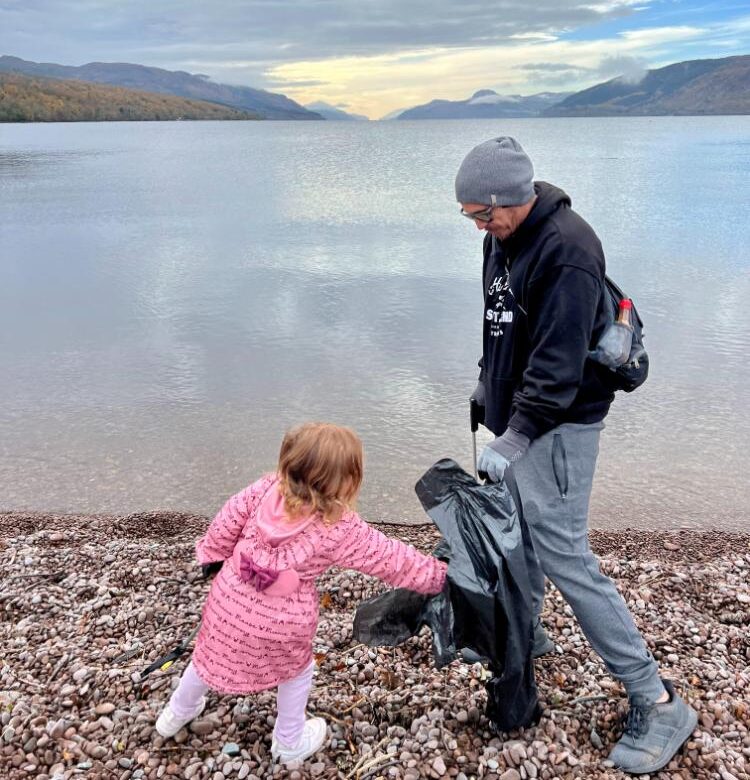
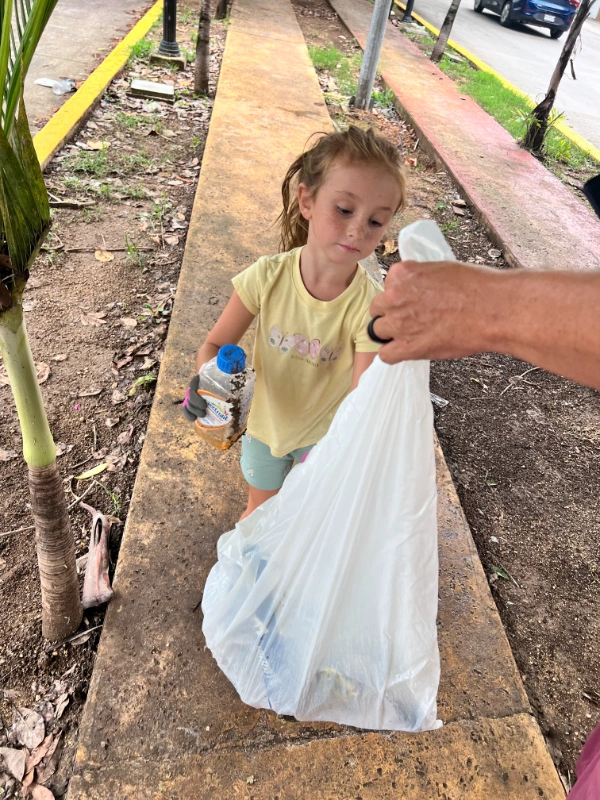
Yes, we are now that family that carries trash bags in our backpacks. Our daughter literally asks us everyday if it’s “trash walk” day. We didn’t plan it, but now our hikes come with the added bonus of moral superiority. It’s weirdly fun and ridiculously impactful.
In Singapore, we barely filled a bag (gold star, Singapore). In other places… let’s just say we filled multiple. Either way, it’s about showing your kid (and yourself) that you leave a place better than you found it.
2. Shop Local (and Eat Better While You’re At It) ?
Farmers markets are our happy place. They cut down on packaging, they’re more sustainable than chain grocery stores, and honestly? The tomatoes taste like actual tomatoes. Eco tourism never tasted so good.
If you’re on a budget (same), here’s how we do it:
- Compare prices. Sometimes the local grocery store is cheaper. And in some countries, just as organic and local as the farmers market. Time to step it up U.S.
- Buy what’s in season (no, you don’t need strawberries in December).
- Chat with vendors. You’ll get recipes, cultural tidbits, and sometimes even free samples.
✨Bonus hack: some markets let you volunteer. That’s like cultural immersion + free workout + giving back.

3. Buy Secondhand (and Look Cooler Doing It) ?
Thrift shops are our secret weapon. We’ve gotten everything from clothes to kids’ toys in charity shops, and they’re often nicer (and more trendy) than buying new. We even scored designer winter jackets for 10 bucks that survived our Euro Christmas Market road trip. Fast fashion could never. Before leaving a country, we donate what we don’t need. It’s the travel version of “circle of life,” but with Barbies and summer dresses.

4. Give Back & Get Kids Involved (Parenting Hack 101) ♻️
Our daughter helps us donate clothes, toys, and books before we leave a destination. She’s part of the process, which means she actually gets it. Plus, it turns sustainable travel into something fun instead of a lecture. And yes, sometimes this can be hard for her, but having her see the joy on another kid’s face when she forks over that bicycle makes it all worth it. She wins, they win, we win.

5. Help People When You Can (Do I Even Have to Say This?) ?
Sometimes being eco-friendly overlaps with just… being a decent human. Once, in the UK, we stopped in the pouring rain to help an elderly man carry his groceries when no one else would. Did we get soaked? Yes. Was it worth it? 100%. Those are the little moments that stick with you more than any souvenir.
6. Volunteer your time when possible.
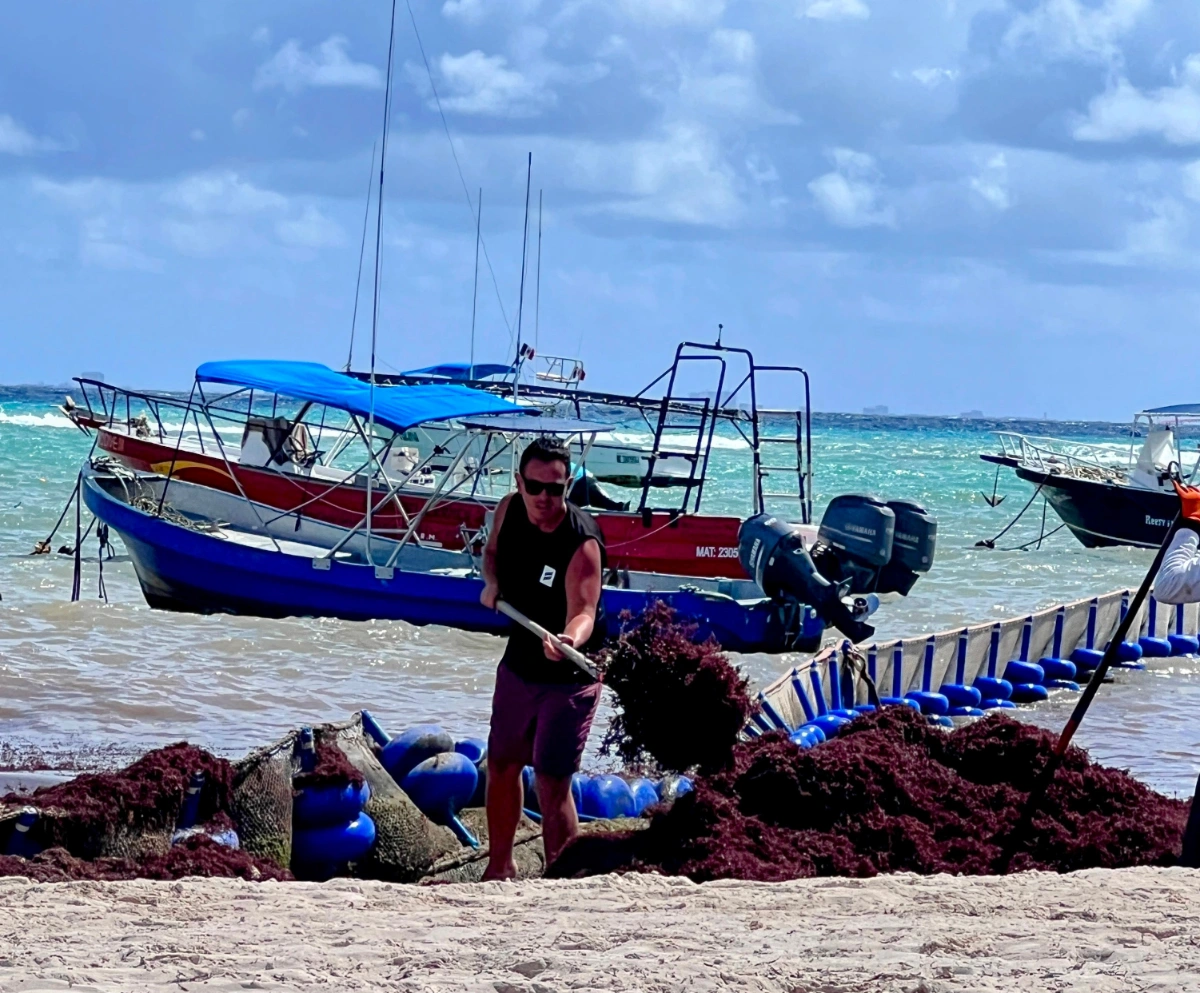
You don’t need to build a school or save a rainforest (though if you do, major applause). Volunteer at an animal shelter, help out at a local food bank, or join a beach cleanup. Small efforts add up to big change.
? Smarter Destinations, Smaller Footprints
Stay Outside the Tourist Bubble (Your Wallet Will Thank You) ?
Want to see the Eiffel Tower? Of course you do. But maybe don’t stay in a hotel where your “view” is just 5,000 tourists taking the same picture. Instead, book a spot outside the center. The stay is usually half the price, the food is way better and cheaper (because locals actually eat there), and you’re not adding to the crush of overtourism.
Hop on public transit, swoop into the city for the day, and retreat back to your peaceful base at night.
?This has saved us thousands.

Greener Transportation Choices ?
- Take the bus or train. It’s cheaper, greener, and you’ll get a real taste of local life. And you don’t have to second guess if you were overcharged for your fare.
- Hop-On Hop-Off buses. Judge me all you want, but they save cab rides, often bundle attraction tickets, and in some cities they’re electric. Budget-friendly and green. Read More About the HoHo Bus here!
- Car rentals (when you must). We do it sometimes, but we pick fuel-efficient cars, avoid pointless drives, and share rides when possible. Oh, and research driving rules first. Nothing ruins “eco travel” faster than a surprise ticket for not having the right permit.
- In bustling cities, the best choice is always to use the human powered transportation. Whether its renting a bike, using your legs or finding a more unique set of wheels to get some exercise while exploring the city.

? Talk to Locals (and They’ll Tell You All of Their Secrets)
The best budget tips, food recs, and off-the-beaten-path adventures we’ve ever had came from conversations with locals. Cab drivers, shopkeepers, people at the park, ask them. Worst case? They think you’re chatty. Best case? You discover the hole-in-the-wall restaurant or super cheap boat ride around the lake that you’ll dream about forever.
This is one of our favorite parts about sustainable travel. Supporting the local community and not just the over-crowded hot spots will most likely give you a better experience but also help other areas thrive.

Final Thoughts: Eco Travel Isn’t All-or-Nothing
Look, you don’t need a zero-waste backpack or a trust fund to travel responsibly. Eco tourism is not about doing everything perfectly. It’s about doing something. Pick up trash. Shop smarter. Be kind.
We always try to be better tourists…the kind locals actually want to welcome back. Because honestly, if I wouldn’t leave a mess in my own hometown, why would I do it somewhere else?
Travel with awareness, leave with appreciation, and maybe, just maybe, the world will be a little better because you passed through.